Innovation Challenge

About Innovation Track

The IEEE YESIST12 Innovation Challenge Track is a global platform that fosters groundbreaking, purpose-driven ideas for a sustainable future. It encourages participants to think beyond conventional boundaries and develop impactful solutions aligned with UN SDG 15 – Life on Land. The track focuses on protecting land ecosystems, restoring biodiversity, and promoting sustainable land use. Participants are invited to explore emerging technologies such as AI, IoT, GIS, drones, and digital platforms. With no requirement for physical prototypes, the track ensures inclusivity and broad participation. Ideas can range from concept to early-stage innovation with real-world applicability. Participants also gain mentorship and exposure to global experts and sustainability leaders. The track promotes collaboration through multidisciplinary teams to solve real-world environmental challenges. It emphasizes accessibility, affordability, and scalability of solutions. Ultimately, the Innovation Challenge Track aims to create measurable environmental and societal impact through responsible innovation.
Innovation Track Image

Theme

Innovation Track: Innovating for Life on Land – Technology for a Thriving Planet

“Time to create a future where cities ,climate, and land thrive together”

This theme emphasizes delivering holistic solutions aligned with the United Nations’ SDGs. It challenges participants to creatively address global challenges with innovative ideas that create a meaningful and lasting impact across various domains.

SDGs Aligned

This track encourages projects addressing one or more of the following UN Sustainable Development Goals:

  • SDG 2: Good Health and Well-being
  • SDG 6: Clean Water and Sanitation
  • SDG 7: Industry, Innovation, and Infrastructure
  • SDG 11: Sustainable Cities and Communities
  • SDG 13: Climate Action
  • SDG 15: Climate Action

Timeline

Call for Abstracts-1 17th Jan 2026
Deadline for Abstract-1 20th Feb 2026
Time for reviewer to review the abstracts 20th Feb - 28th Feb 2026
Call for Abstracts-2 1st March 2026
Deadline for Abstract-2 20th March 2026
Time for reviewer to review the abstracts 20th March - 30th March 2026
Announcement of qualified abstract 30th March 2026
Final Call for Abstracts 1st April 2026
Deadline for Final call for Abstract 25th April 2026
Time for reviewer to review the abstracts 25th April - 10th May 2026
Announcement of qualified Abstract 15th May 2026

Submit your Abstract now

Open

Call for Abstract-1 Ends: 20th Feb 2026

00
Days
00
Hours
00
Minutes
00
Seconds

Key Focus Areas

The Objectives of the Innovation Challenge Track

It is focused on protecting, restoring, and promoting the sustainable use of terrestrial ecosystems. Key objectives include sustainably managing forests, combating desertification, and halting and reversing land degradation and biodiversity loss

Who is eligible?

Benefits of participating

Rules for participation

Guidelines for Participants

To ensure a smooth and professional competition experience, participants are required to follow the guidelines outlined below. These guidelines are aligned with IEEE standards of ethics, innovation, and technical excellence.

Track Structure:

The Innovation Challenge Track follows a structured process to identify and showcase innovative projects, consisting of the following phases:

Phase 1: Call for Abstracts-1

This is the initial phase where the abstract submission is open to anyone interested in participating in the Innovation Challenge Track. The call for abstracts is announced globally, and participants can submit their abstracts through the submission portal available on the website. Phase 1 serves as the first opportunity for participants to showcase their ideas and concepts.

Phase 2: Call for Abstracts-2

Phase 2 is an extended call for abstract submissions. Teams that wish to extend their participation opportunity can do so by submitting their abstracts in this second phase. It also gives a chance for participants who did not advance to the next rounds in Phase 1 to reapply and take part in the competition.

Phase 3: Selection & Registration

Potential and innovative projects that are submitted in the first and second call are selected for finals, and the teams are intimated via mail.

Phase 4: Finale

Selected teams will present their project works before the jury during the finals. Evaluation will be carried out based on the criteria.

Submission Mode

Pilot Entry
  • Participants from regions with an active YESIST12 Pilot event.
  • Projects are first presented and evaluated at a preliminary competition.
  • Winners from the Pilot event get a direct entry into the Grand Finale.
Direct Entry
  • For participants from countries or regions without a YESIST12 Pilot event.
  • Submissions (Abstract, PPT, Video) are evaluated directly by the jury.
  • Selected projects are notified via email and advance to the Grand Finale.

Evaluation Criteria

Selection Method

The selection process will be conducted in two main stages:

Stage 1 - Abstracts & Prelims

Abstract submission is open to all students via Pilot entry or Direct Entry.

A) Direct entry participants will be evaluated based on abstract submission. Selected innovative projects will be informed via email.

B) Pilot entry participants present projects in a preliminary round conducted by pilots. Winners move to finals.

Stage 2 - Grand Finale

Selected teams will present their projects before the jury during the finals.

Evaluation will be carried out based on criteria such as novelty, technical implementation, clarity of pitch, and expandability of the idea.

Methodology

Sample Project Topics

  • ReGreen Earth: Restoring Local Biodiversity Hotspots
  • Soil Saviours: Assessing Soil Health for Sustainable Agriculture
  • Forest Guard AI: Tech-Based Monitoring of Illegal Deforestation
  • Waste to Wildlife: Creating Habitats Using Recycled Materials
  • Green Corridors: Designing Safe Passages for Urban Wildlife
  • Plant-for-Planet: Community-Based Reforestation Model
  • Soil to Soul: Understanding the Role of Microorganisms in Ecosystem Health
  • Riverbank Revival: Preventing Erosion Through Natural Methods
  • Smart Saplings: Using Sensors to Study Plant Growth & Stress
  • Nature Nurturers: Conservation Awareness Campaign for Schools
  • “Wildlife Under Threat: Data Analysis of Endangered Species in India”
  • “ReLeaf: Drone-Based Forest Mapping and Health Assessment”
  • Smart Drainage Monitoring System to Prevent Urban Flooding
  • Impact of Blocked Natural Waterways on Flood Intensity in Urban Cities
  • AI-Based Early Warning System for Urban Flood Management
  • Smart Energy Management System for Sustainable Cities
  • Renewable Energy Integration to Control Urban Power Overuse
  • Smart Public Health Surveillance in High-Density Urban Areas
  • Design Solutions for Healthy Living in Overpopulated Cities
  • Urban Sanitation and Disease Prevention in Slum Areas
  • Urban Expansion and Its Impact on Agricultural Land Loss
  • Decline of Farming Workforce and Changing Land Use Patterns
  • Preserving Agricultural Land in Rapidly Urbanising Regions
  • Mechanisation as a Solution to Reduce Agricultural Land Conversion
  • Agri-Entrepreneurship: Reviving Youth Interest in Farming
  • Technology-Enabled Farming for Higher Productivity and Income
  • Value Addition and Market Linkages for Profitable Agriculture

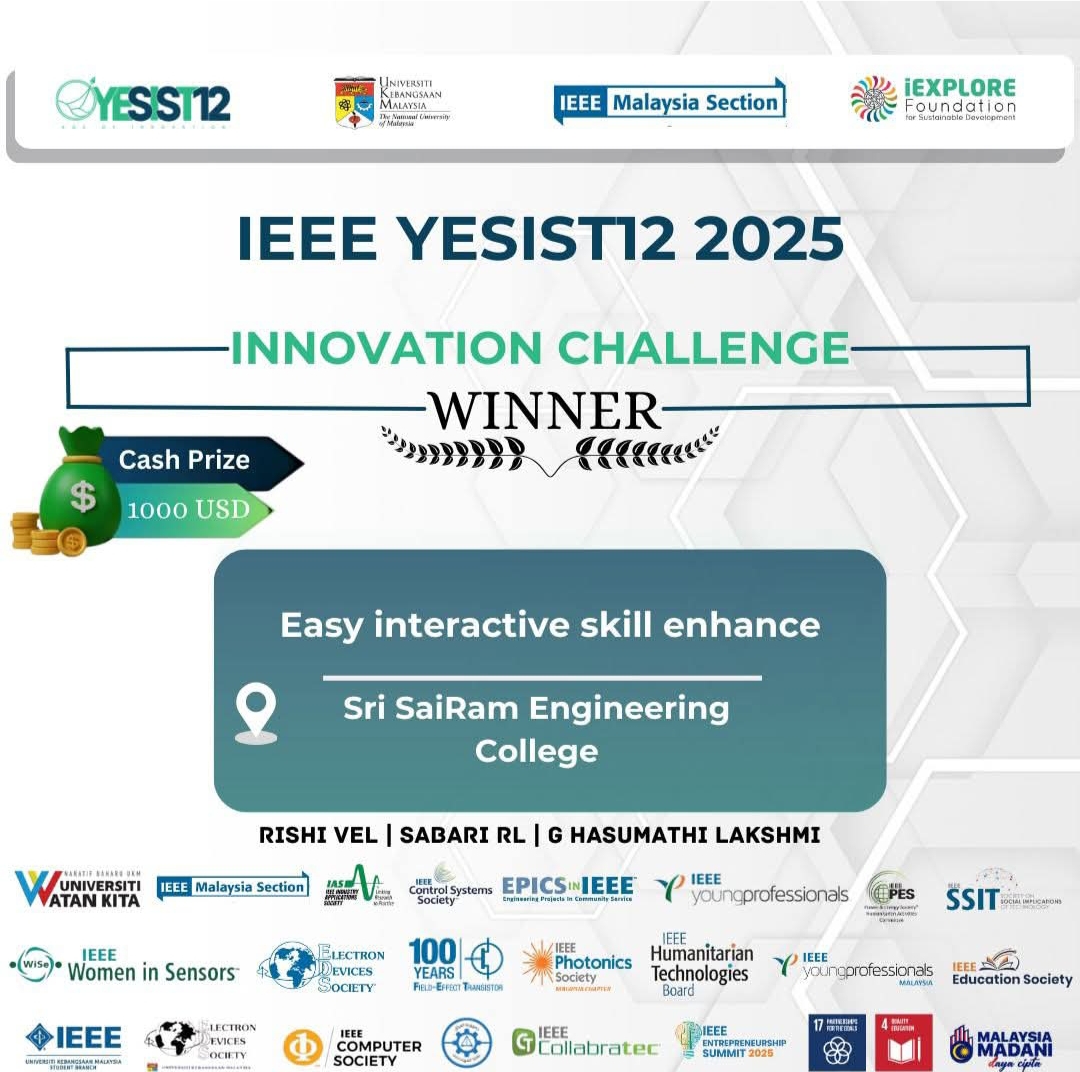
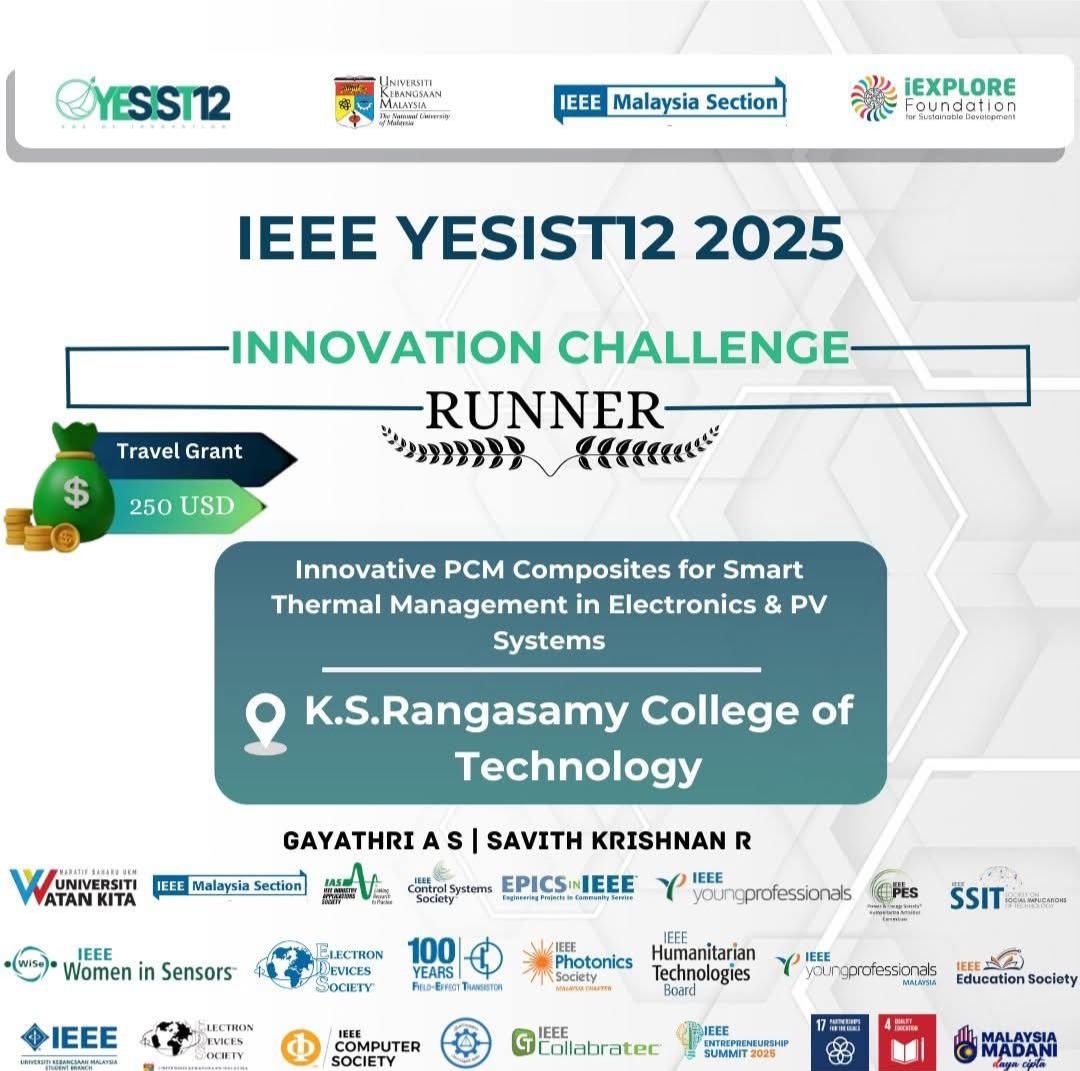
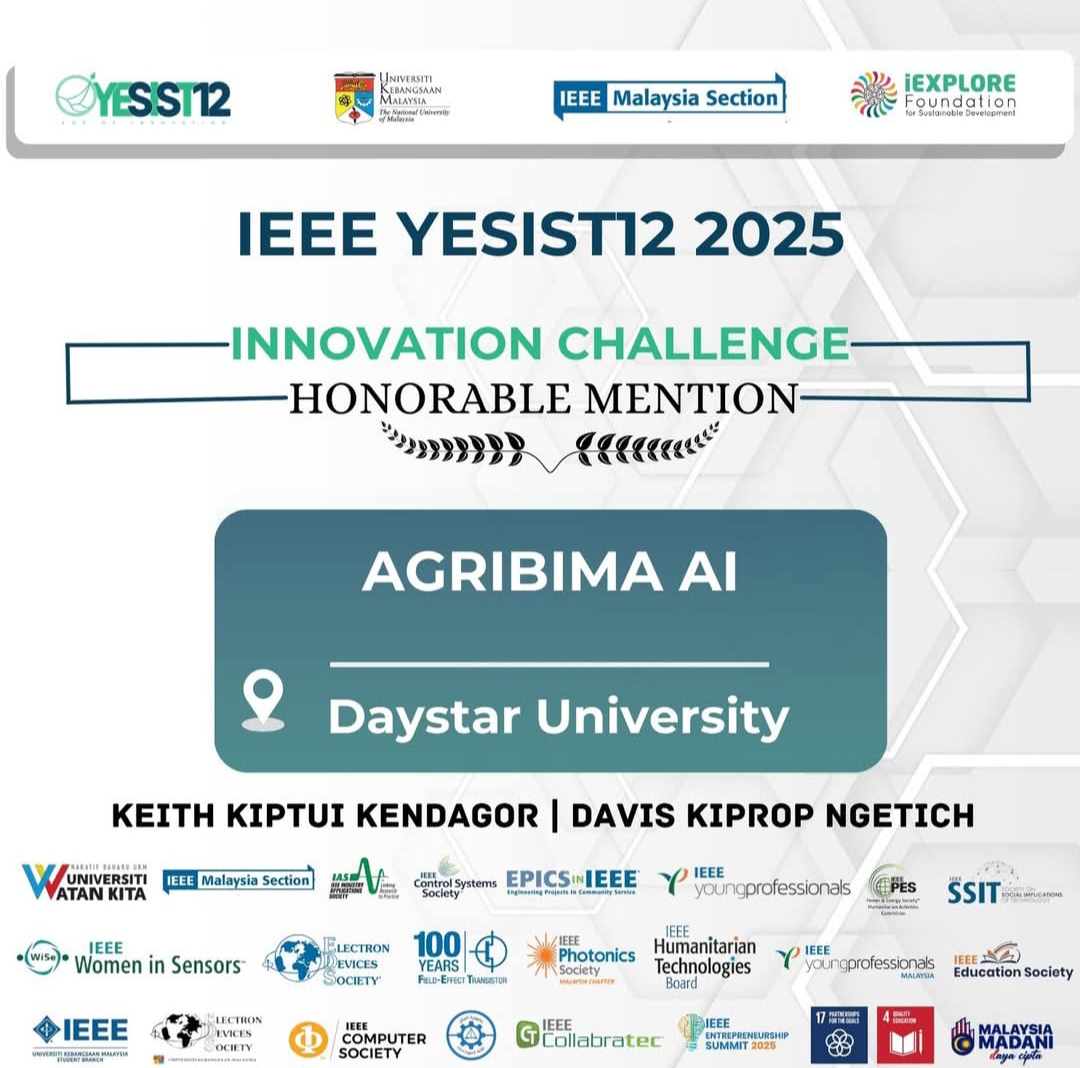
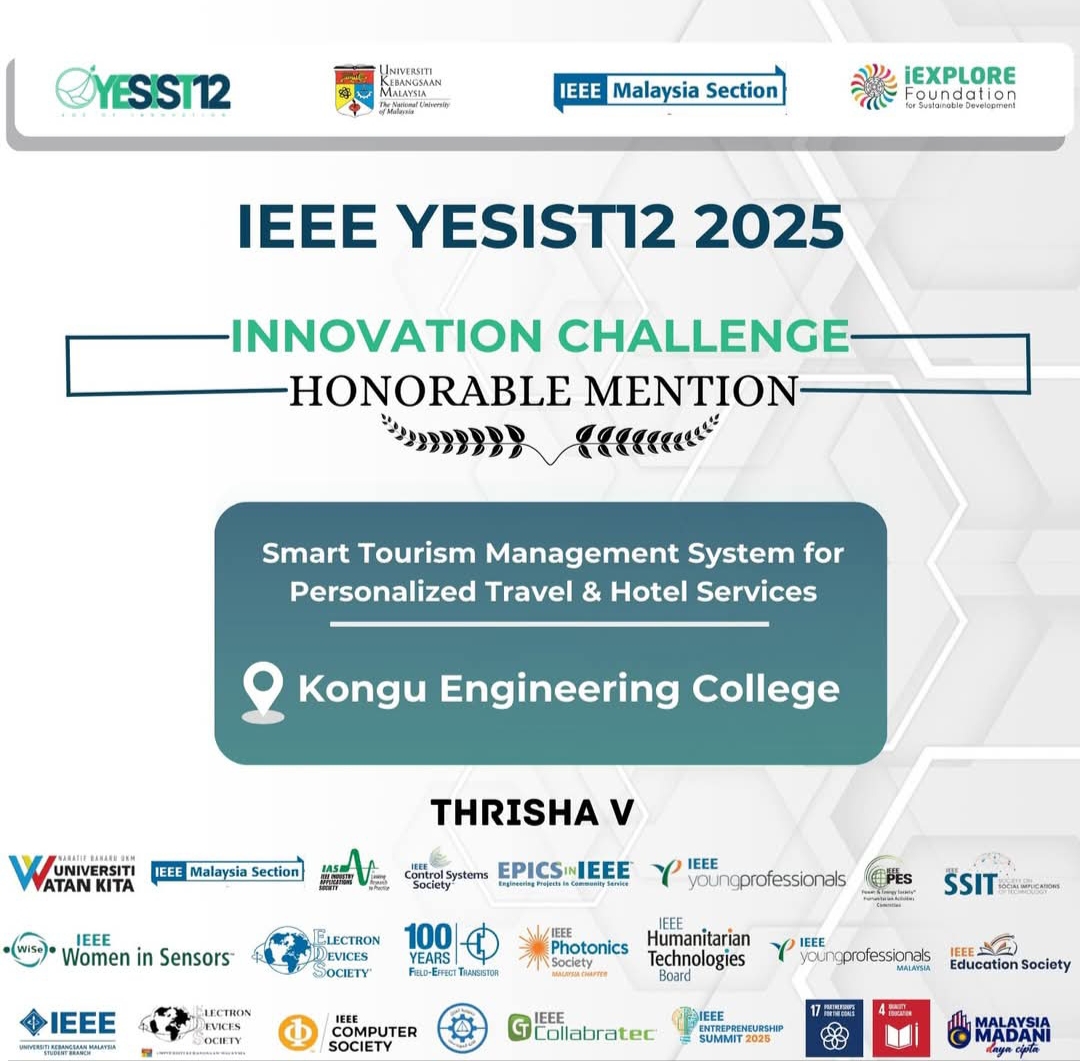
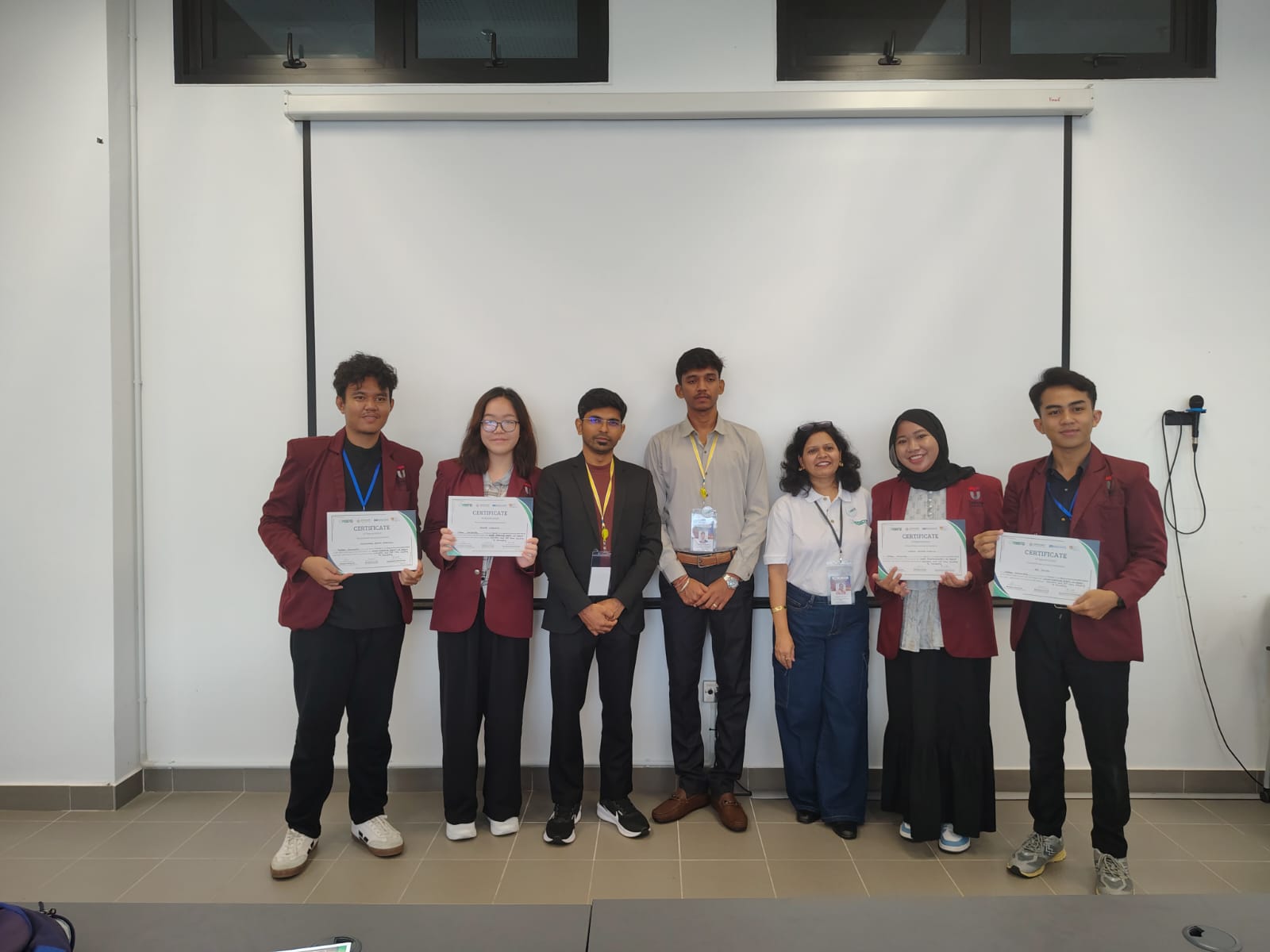
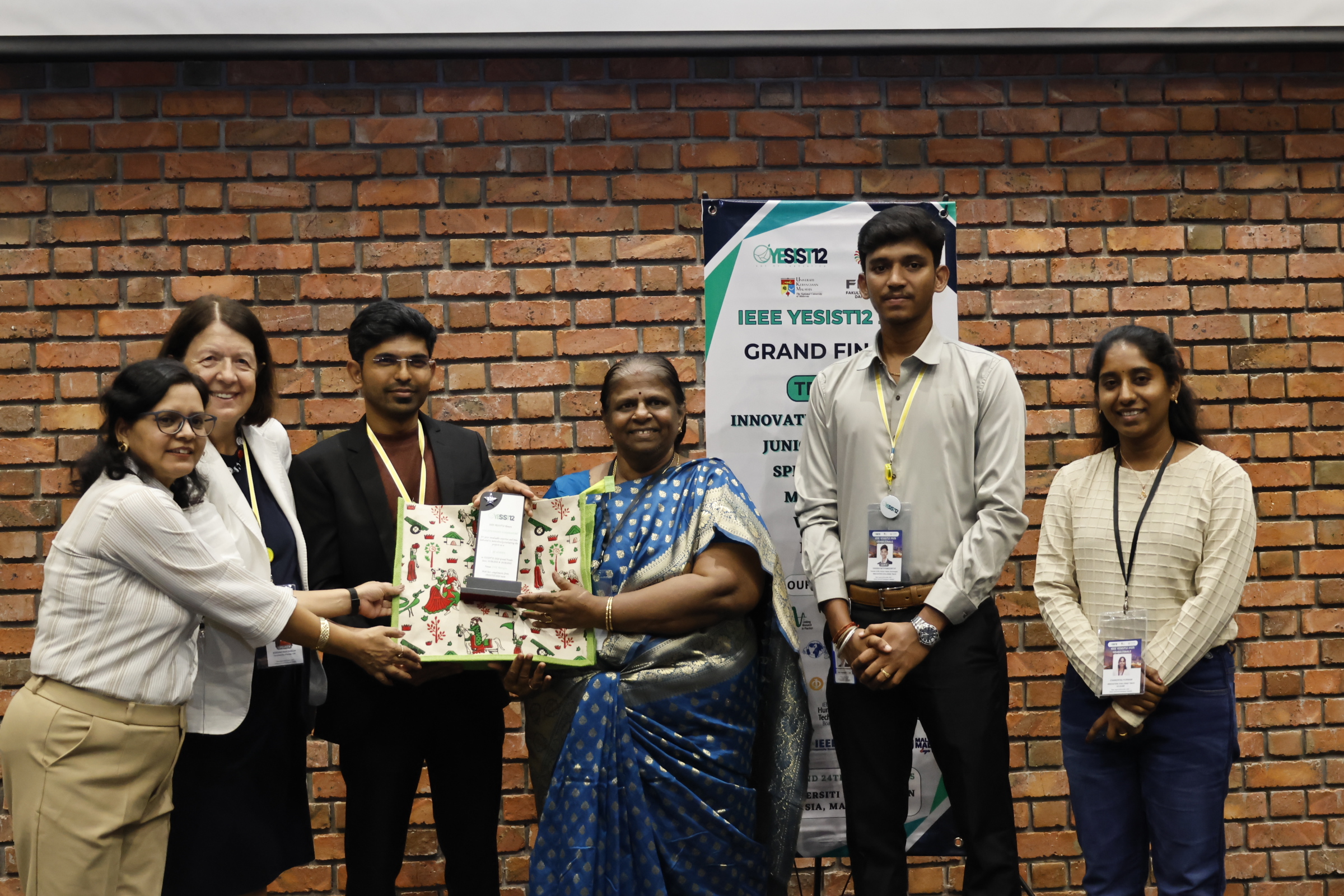
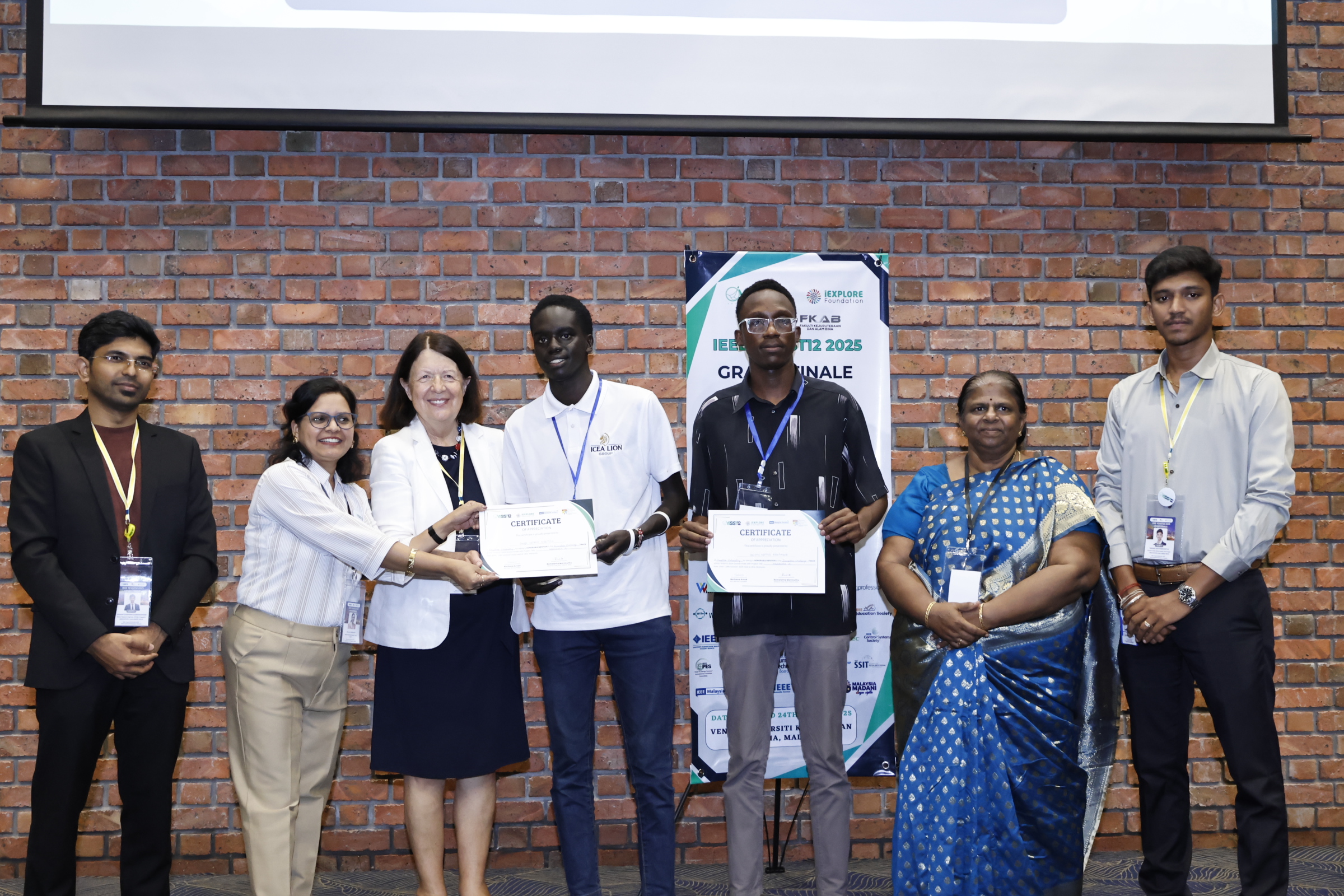
Previous Year Achivers(2025)

For any Queries, please contact

FAQs:

1.Who can participate in the Innovation Challenge Track?
Students, research scholars, early career professionals, and young innovators from any academic or technical background are eligible to participate. Both IEEE and non-IEEE members are welcome.
2. Do we need a prototype to participate?
No. Participants can submit their original ideas in any form.
3. Can a team include members from different institutions or countries?
Yes. Teams may be formed from the same institution or multiple institutions, and cross-country teams are also allowed.
4. Is having a mentor mandatory?
Yes. teams are encouraged to seek faculty or industry mentorship for guidance and better project refinement.
5. Can we submit more than one project idea?
No, Only one project by one team aligned with the track theme.
6. Is IEEE membership required to participate?
IEEE membership is not mandatory for submission, but IEEE members will receive additional benefits such as reduced registration fee, eligibility for travel grant and other possible benefits from Societies.
7.What types of solutions are expected?
Solutions may include software platforms, IoT systems, AI models, mobile applications, dashboards, data-driven tools, or mixed innovation models. The idea must align with SDG 15: Life on Land and supported SDG’s.
8. How will projects be evaluated?
Projects will be evaluated based on innovation, relevance to the theme, feasibility, environmental and social impact, scalability potential, and presentation quality and evaluated by dedicated team of IEEE YESIST12- Jury member team
9. Will shortlisted teams receive mentorship or support?
Yes. Selected teams may undergo review, feedback, or mentoring depending on evaluation stage and regional guidelines.
10. What happens after submission?
Shortlisted teams will be notified and may be invited for further refinement, virtual rounds, or final presentations based on the event timeline.