Junior Einstein

About Junior Einstein

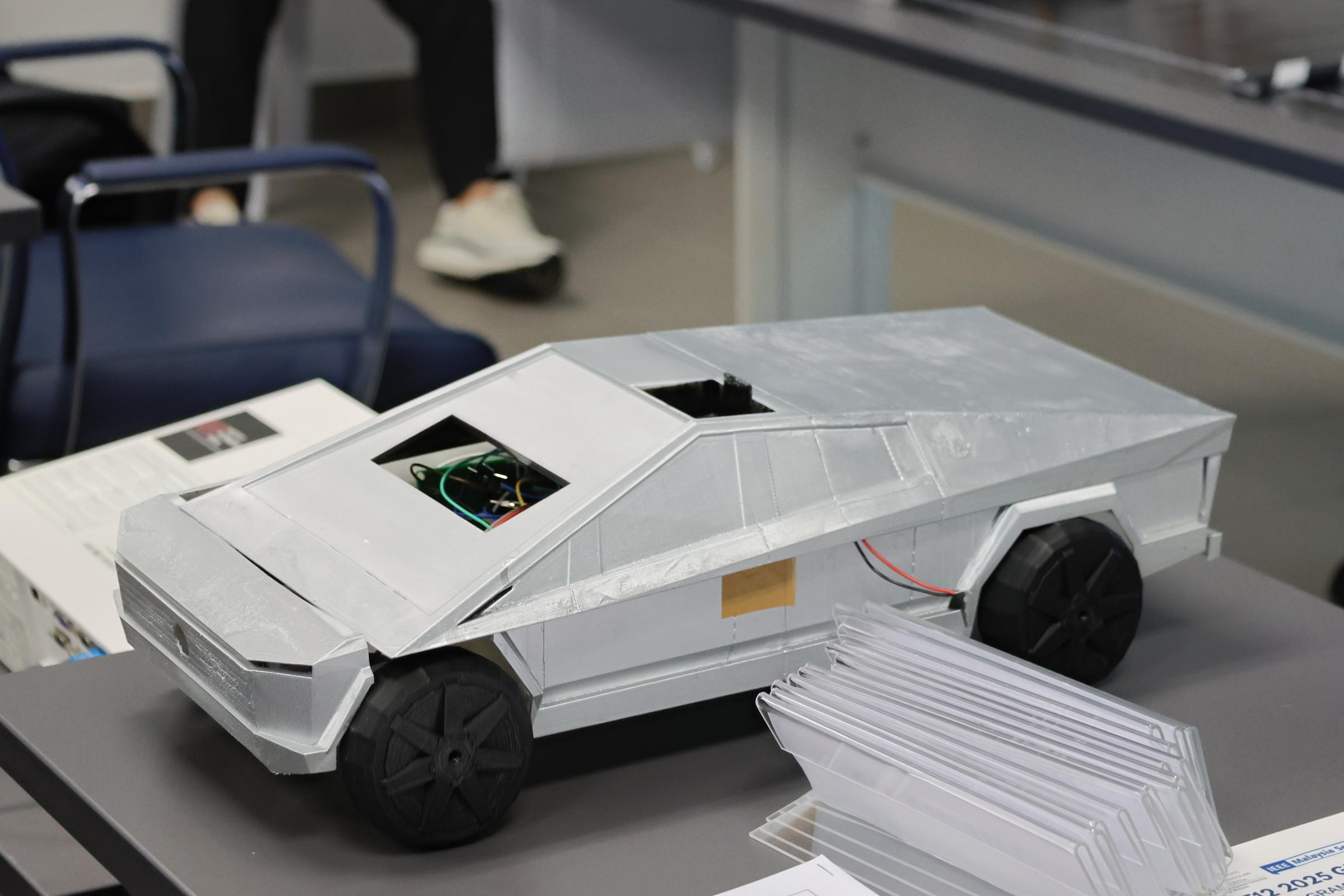
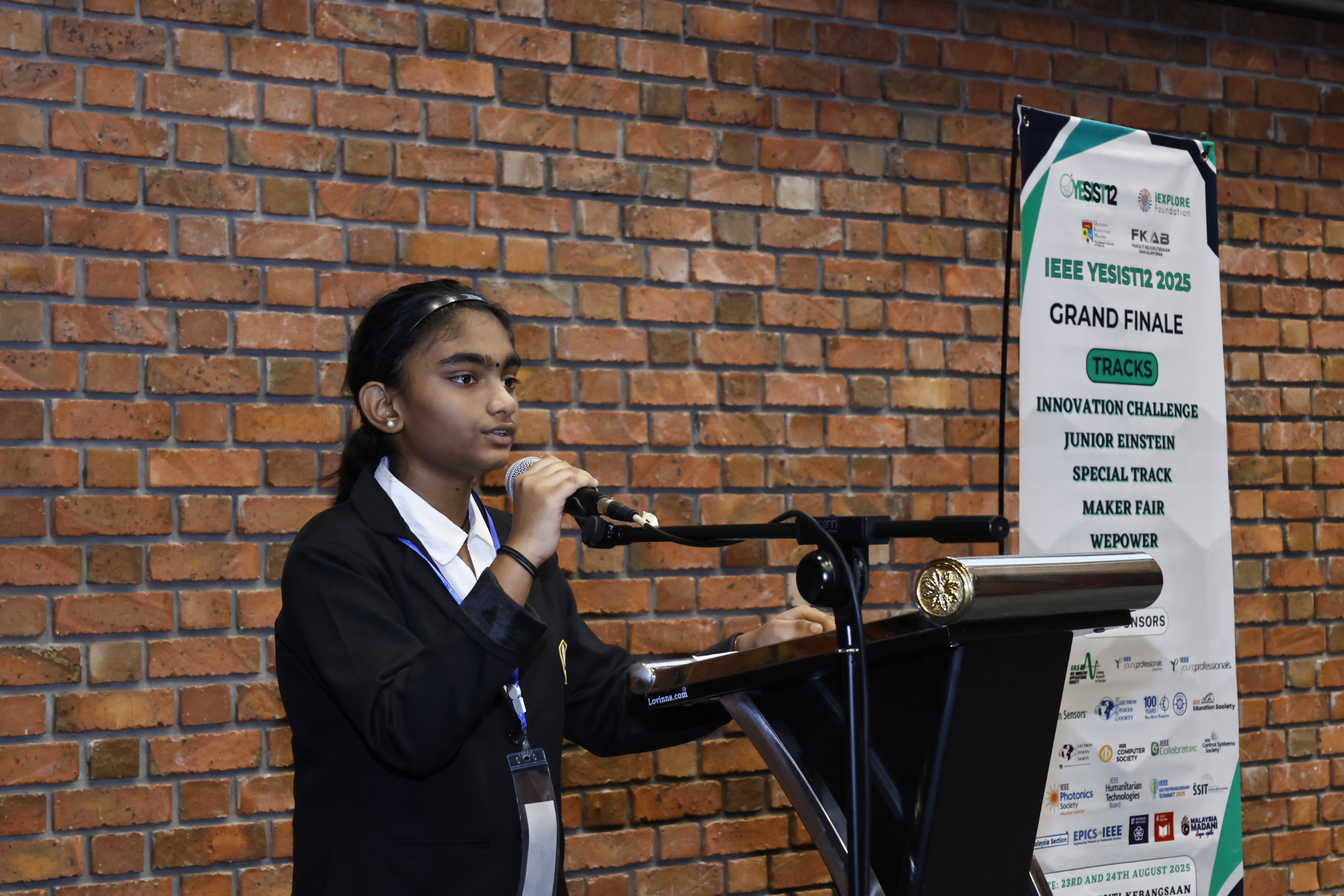
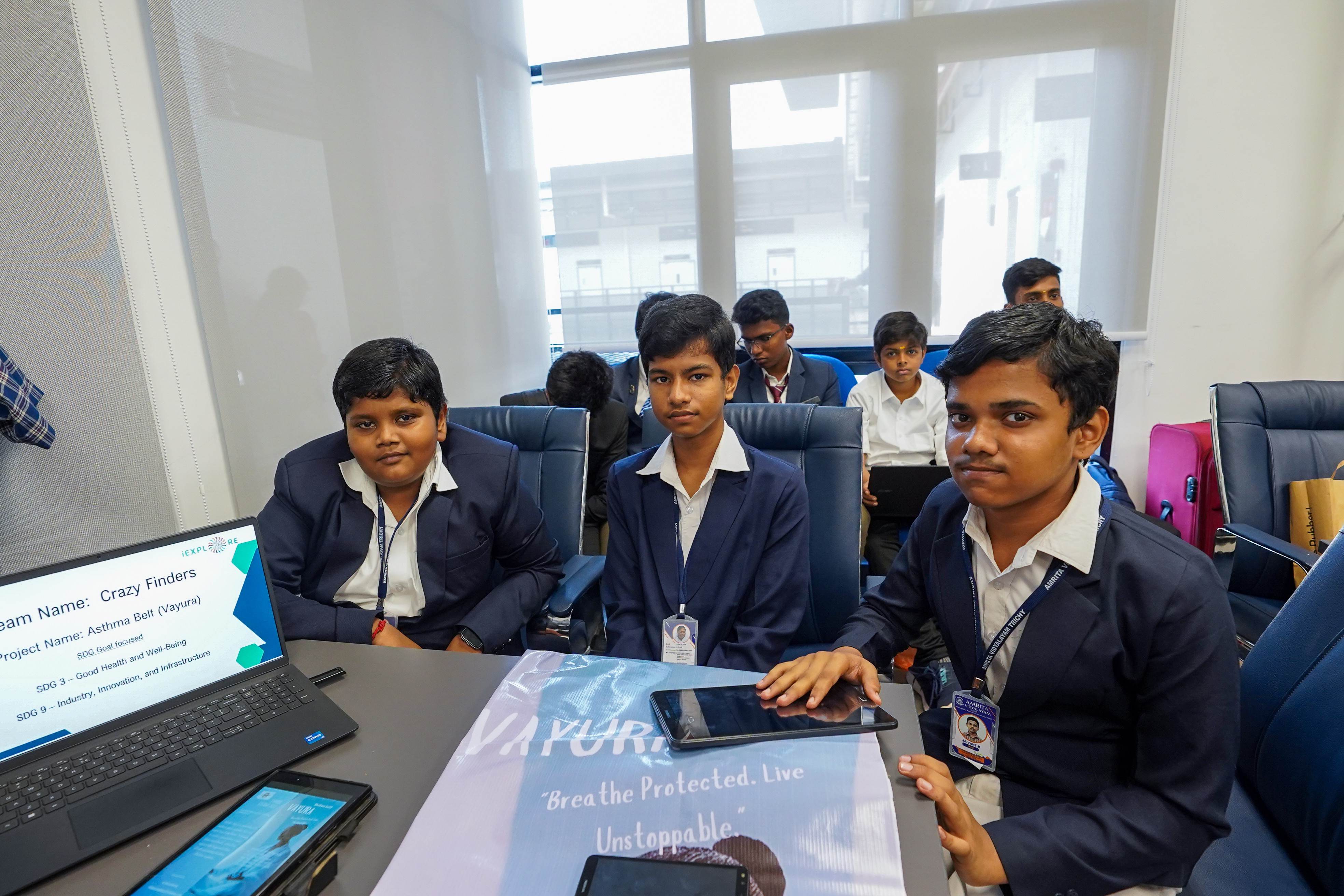
The Junior Einstein Track at IEEE YESIST12 is a global platform designed to inspire young innovators aged 12 to 17. It encourages students to explore STEM through creative problem-solving and socially impactful ideas. Participants ideate, design, and present solutions to real-world challenges. The track focuses on nurturing curiosity, technical thinking, and confidence. It goes beyond competition, offering a developmental learning journey. Students gain exposure to mentors, industry experts, and global perspectives. The track promotes ethical, service-oriented, and sustainable innovation. Its goal is to shape the next generation of innovators and change-makers.

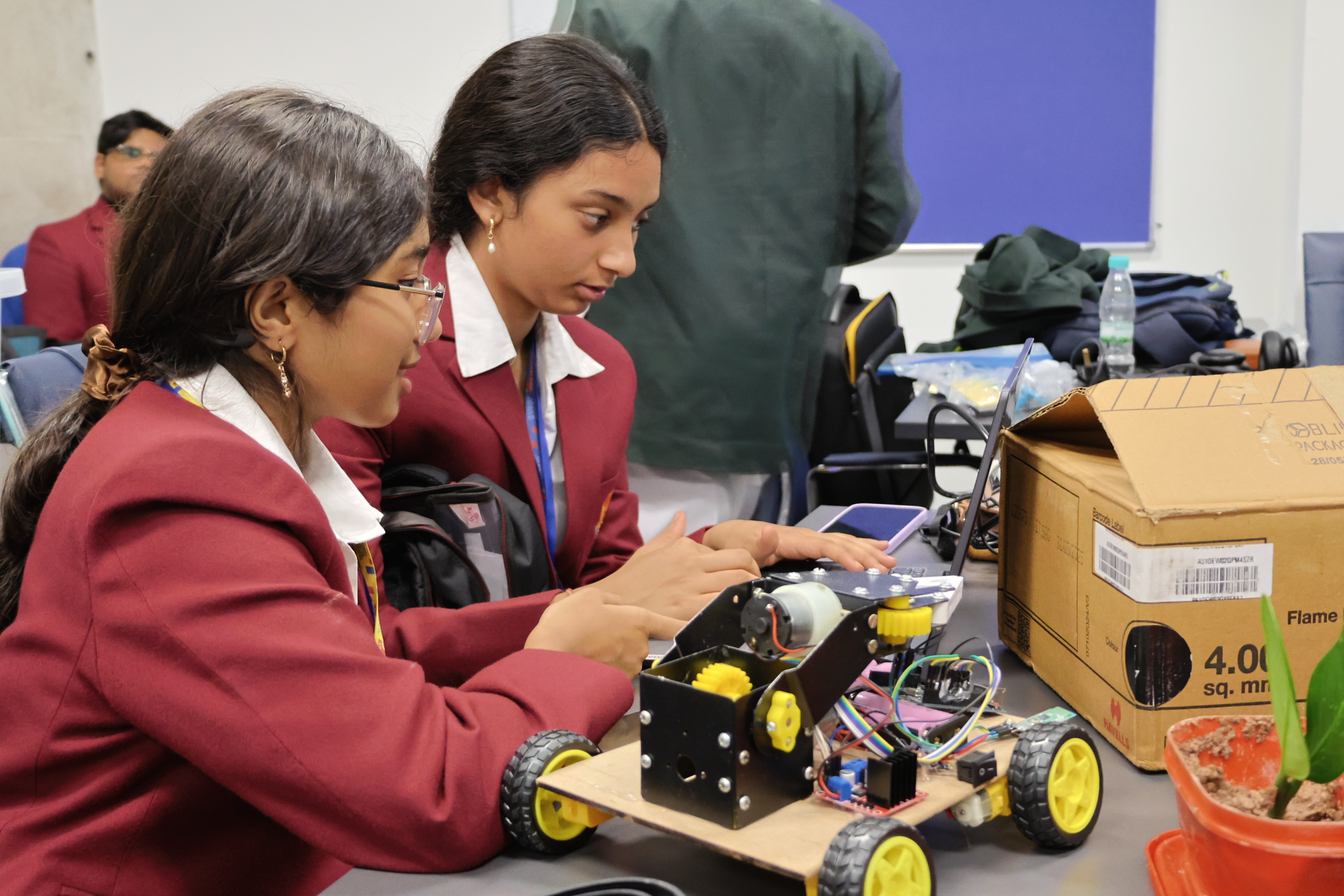
Junior Einstein Track Image

Theme

Smart Ideas for a Sustainable Future

“Smart Ideas for a Sustainable Future”

The Junior Einstein Track at IEEE YESIST12 2026 centers on “Smart Ideas for a Sustainable Future.” Aligned with the UN SDGs, this theme empowers young innovators to develop technology-driven solutions for a resilient world. Students are encouraged to identify community or global challenges and propose future-ready ideas—spanning smart systems, automation, and eco-friendly designs—that balance innovation with sustainability to create lasting impact.

SDGs Aligned

This track encourages projects addressing one or more of the following UN Sustainable Development Goals:

Timeline

Call for Abstracts-1 17th Jan 2026
Deadline for Abstract-1 20th Feb 2026
Time for reviewer to review the abstracts 20th Feb - 28th Feb 2026
Call for Abstracts-2 1st March 2026
Deadline for Abstract-2 31st March 2026
Time for reviewer to review the abstracts 1st April - 7th April 2026
Announcement of qualified abstract 2nd May 2026
Final Call for Abstracts 2nd May 2026
Deadline for Final call for Abstract 30th May 2026
Announcement of qualified Abstract 7th June 2026

Submit your Abstract now

Open

Call for Abstract-1 Ends: 20th Feb 2026

00
Days
00
Hours
00
Minutes
00
Seconds

The Objectives of the Junior Einstein

Who Is Eligible?

Benefits of Participating

Rules for Participation

Evaluation Criteria

Track Structure:

The Junior Einstein Track follows a structured process to identify and showcase innovative projects, consisting of the following phases:

Phase 1: Call for Abstracts-1

This is the initial phase where the abstract submission is open to anyone interested in participating in the Junior Einstein Track. The call for abstracts is announced globally, and participants can submit their abstracts through the submission portal available on the website. Phase 1 serves as the first opportunity for participants to showcase their ideas and concepts.

Phase 2: Call for Abstracts-2

Phase 2 is an extended call for abstract submissions. Teams that wish to extend their participation opportunity can do so by submitting their abstracts in this second phase. It also gives a chance for participants who did not advance to the next rounds in Phase 1 to reapply and take part in the competition.

Phase 3: Selection & Registration

Potential and innovative projects that are submitted in the first and second call are selected for finals, and the teams are intimated via mail.

Phase 4: Finale

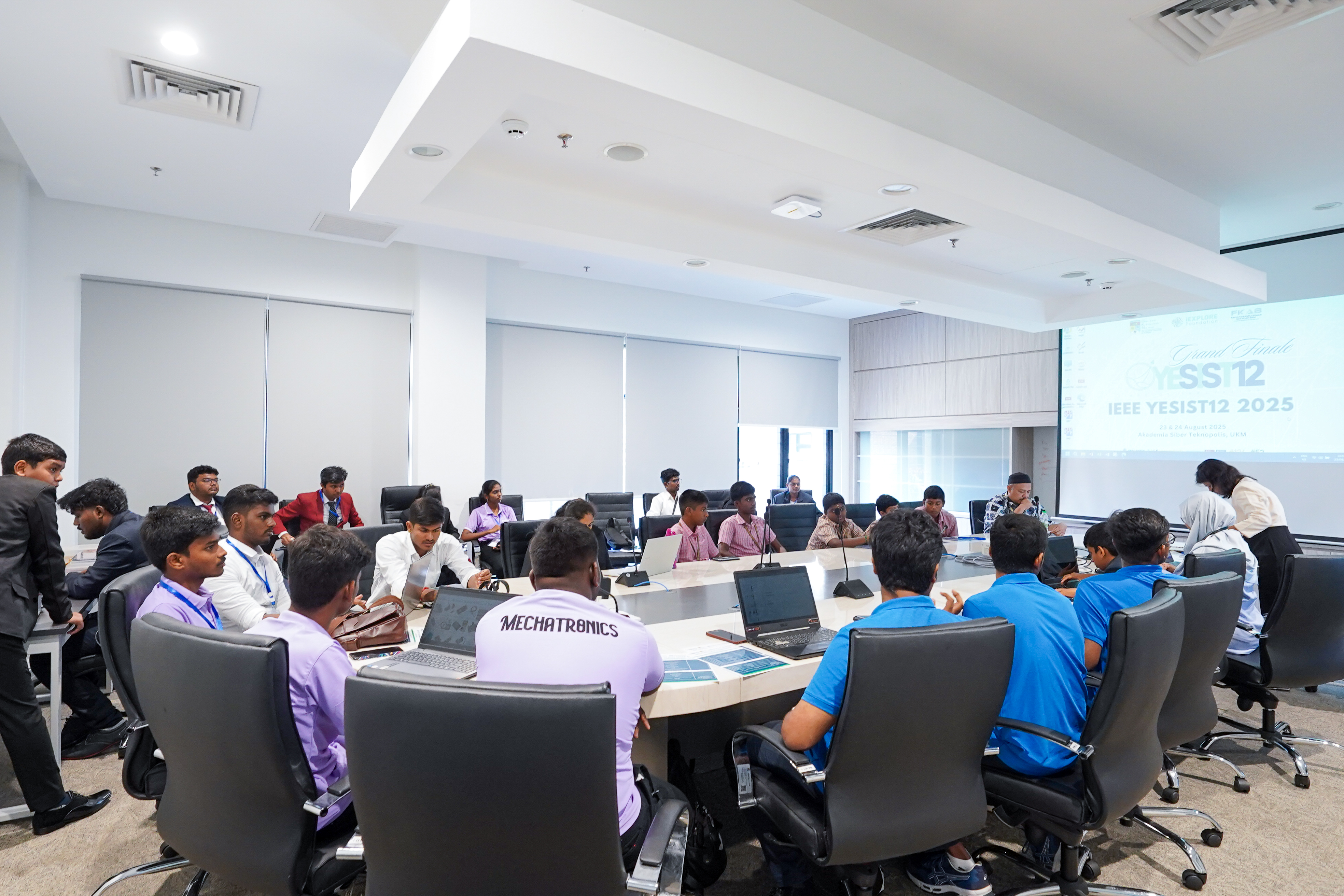
Selected teams will present their project works before the jury during the finals. Evaluation will be carried out based on the criteria.

Submission Mode

Pilot Entry
  • Participants from regions with an active YESIST12 Pilot event.
  • Projects are first presented and evaluated at a preliminary competition.
  • Winners from the Pilot event get a direct entry into the Grand Finale.
Direct Entry
  • For participants from countries or regions without a YESIST12 Pilot event.
  • Submissions (Abstract, PPT, Video) are evaluated directly by the jury.
  • Selected projects are notified via email and advance to the Grand Finale.

Selection Method

The selection process will be conducted in two main stages:

Stage 1 - Abstracts & Prelims

Abstract submission is open to all school students between ages 12 and 17 via Pilot entry or Direct Entry.

A) Direct entry participants will be evaluated based on abstract submission. Selected innovative projects will be informed via email.

B) Pilot entry participants present projects in a preliminary round conducted by pilots. Winners move to finals.

Stage 2 - Grand Finale

Selected teams will present their projects before the jury during the finals.

Evaluation will be carried out based on criteria such as novelty, technical implementation, clarity of pitch, and expandability of the idea.

Methodology

Sample Project Topics

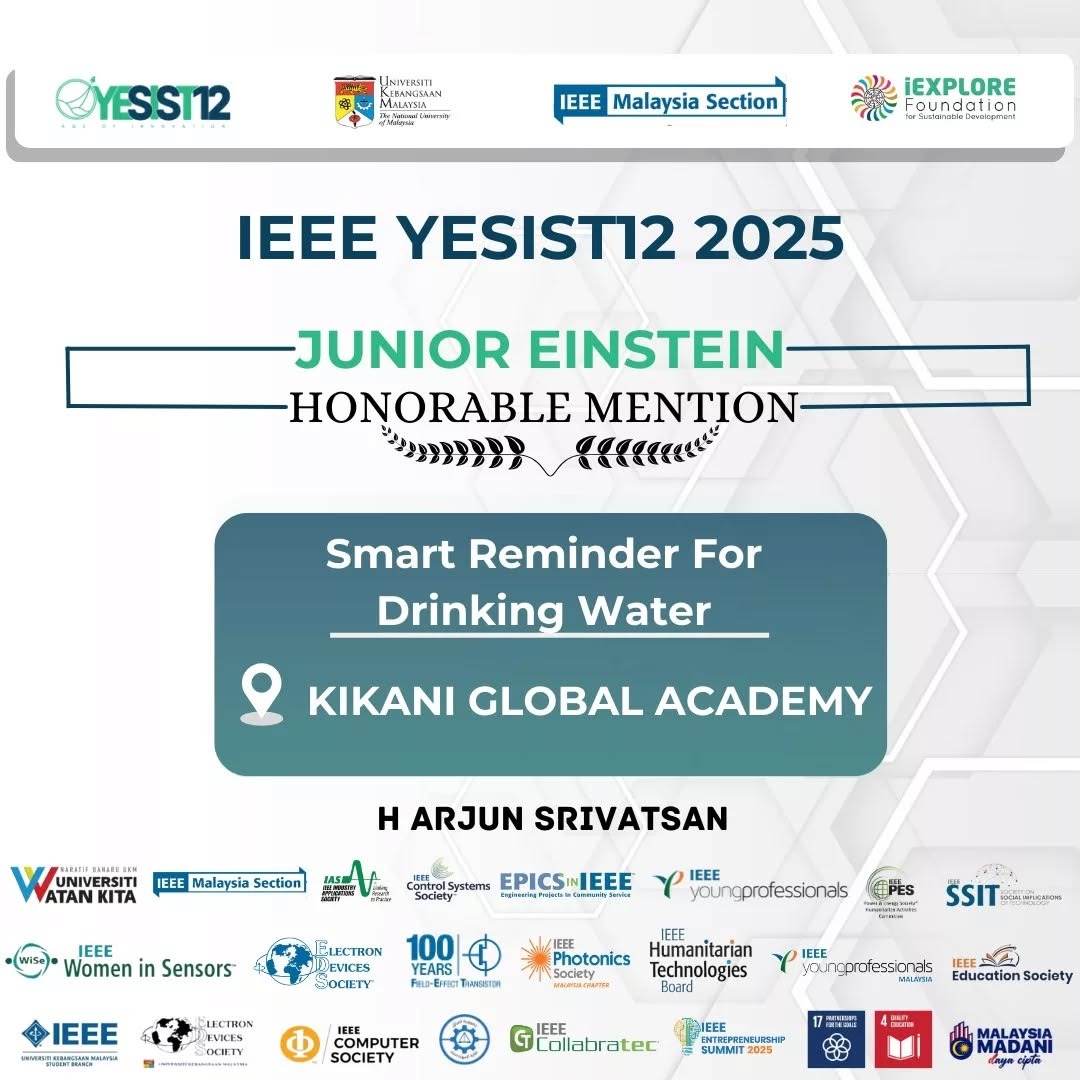
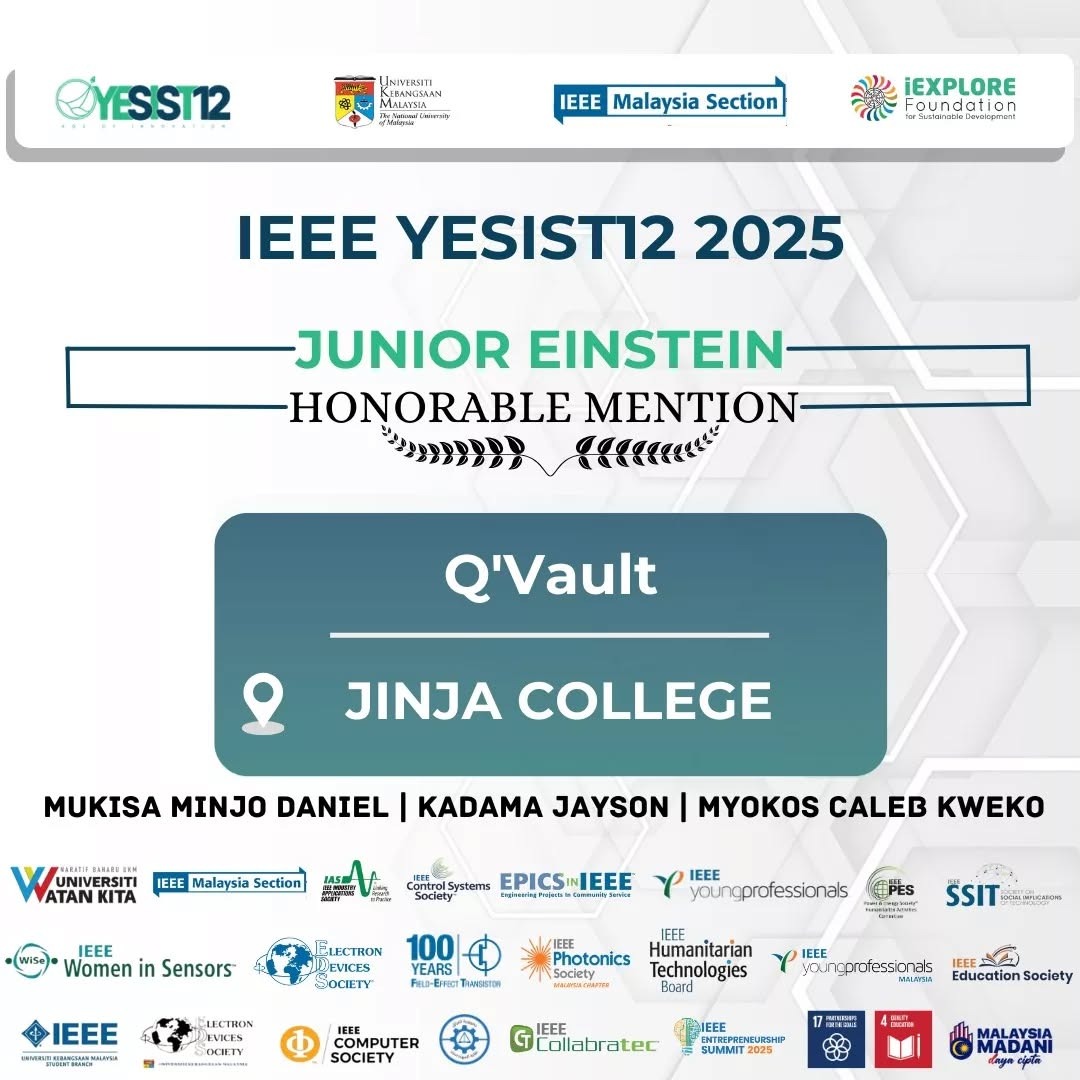
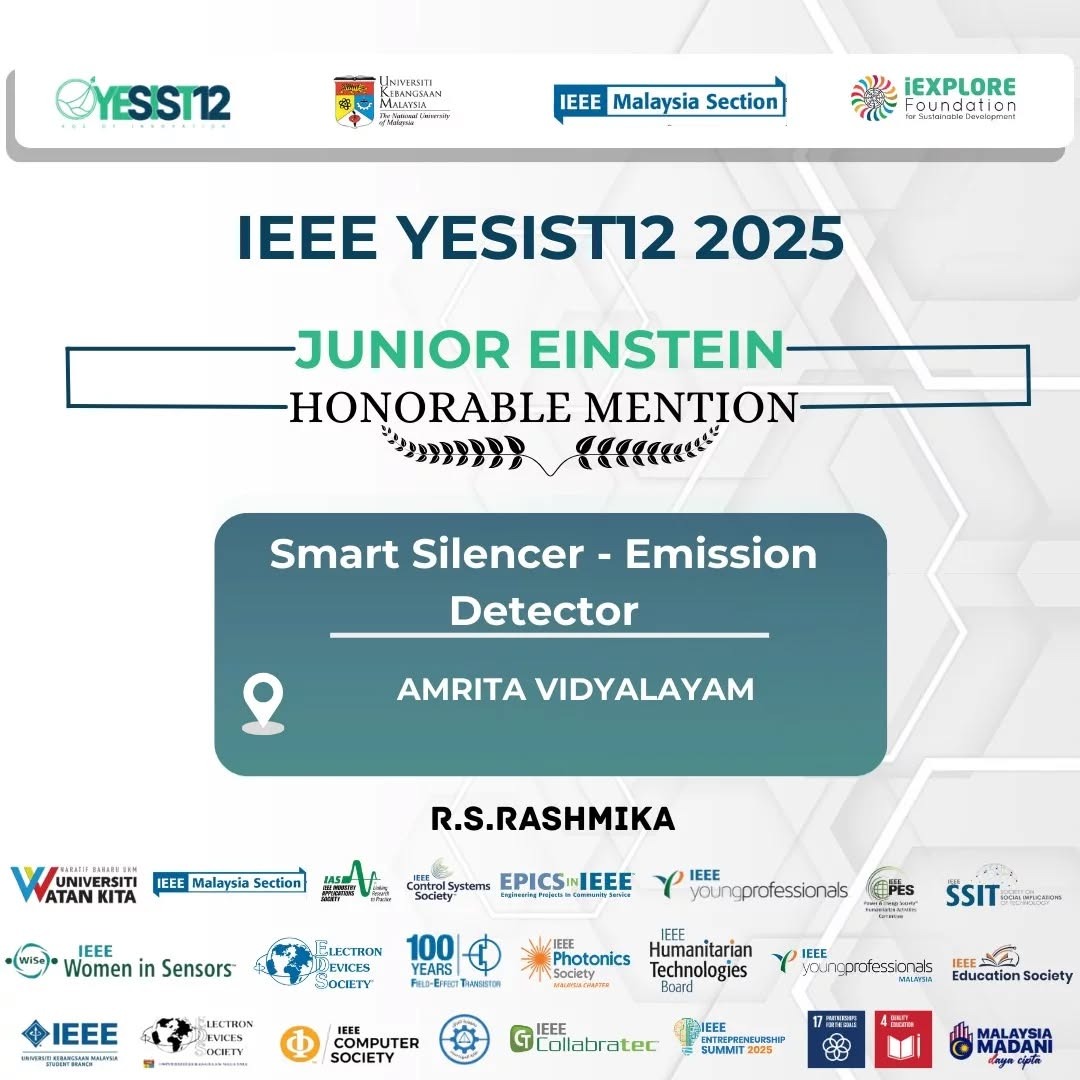
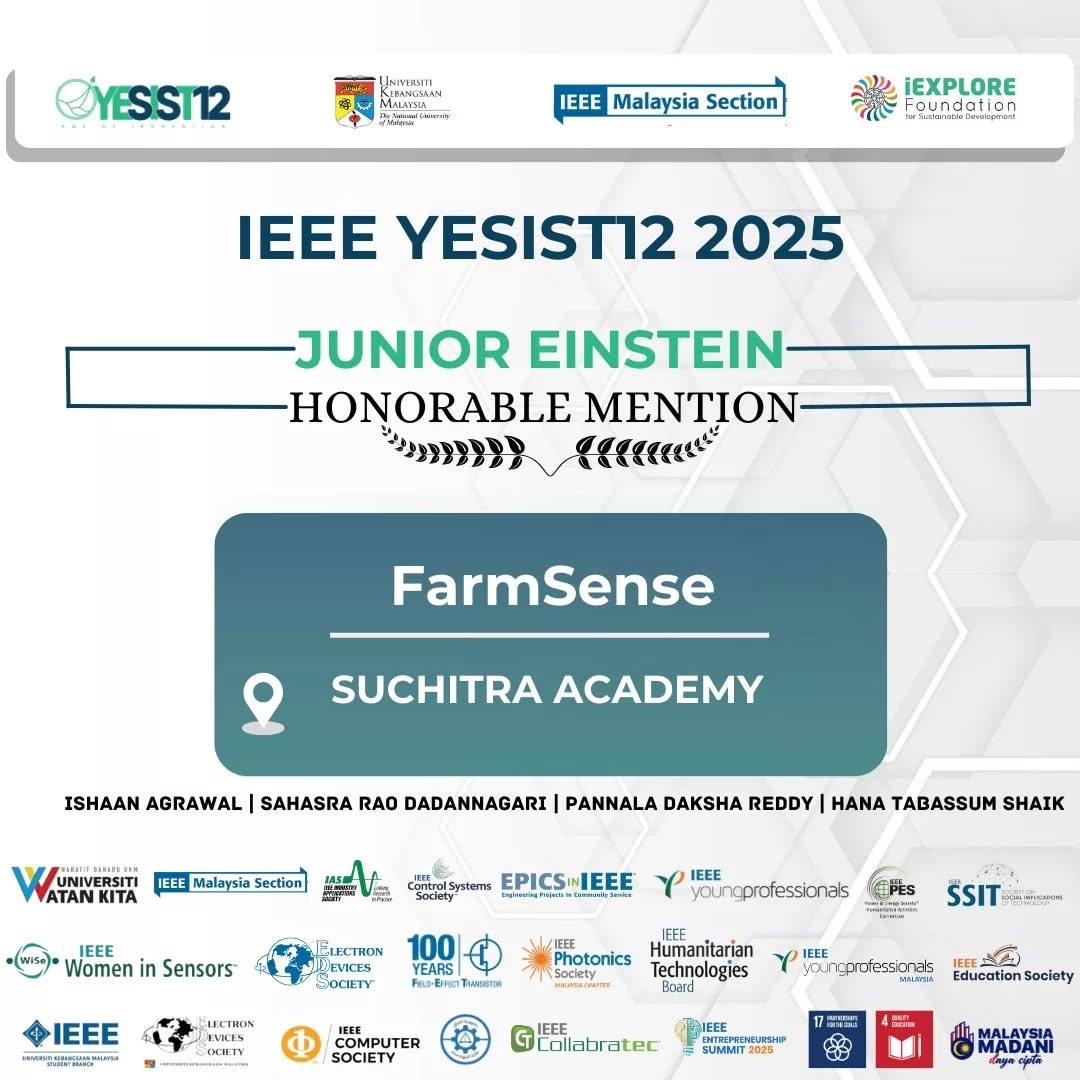
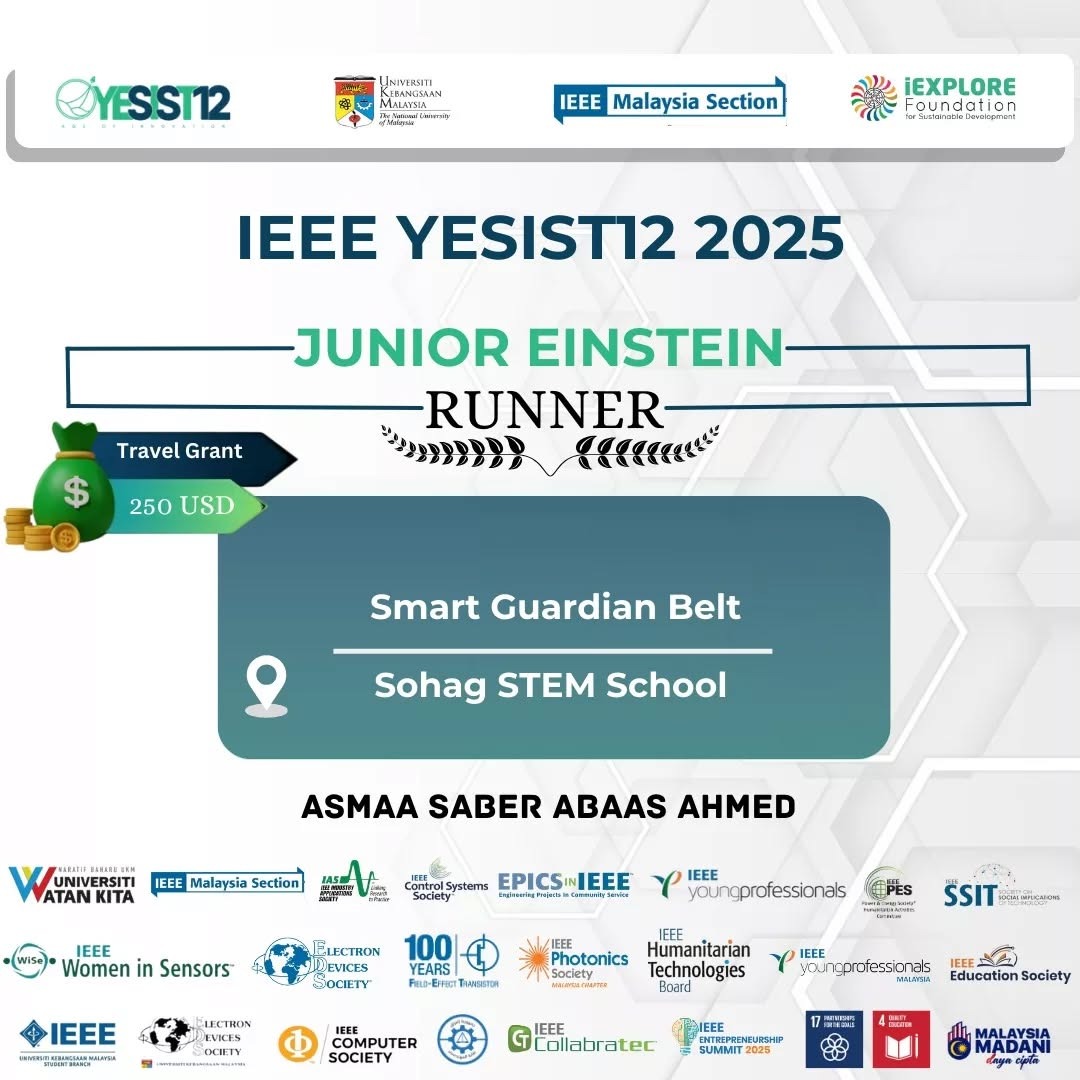
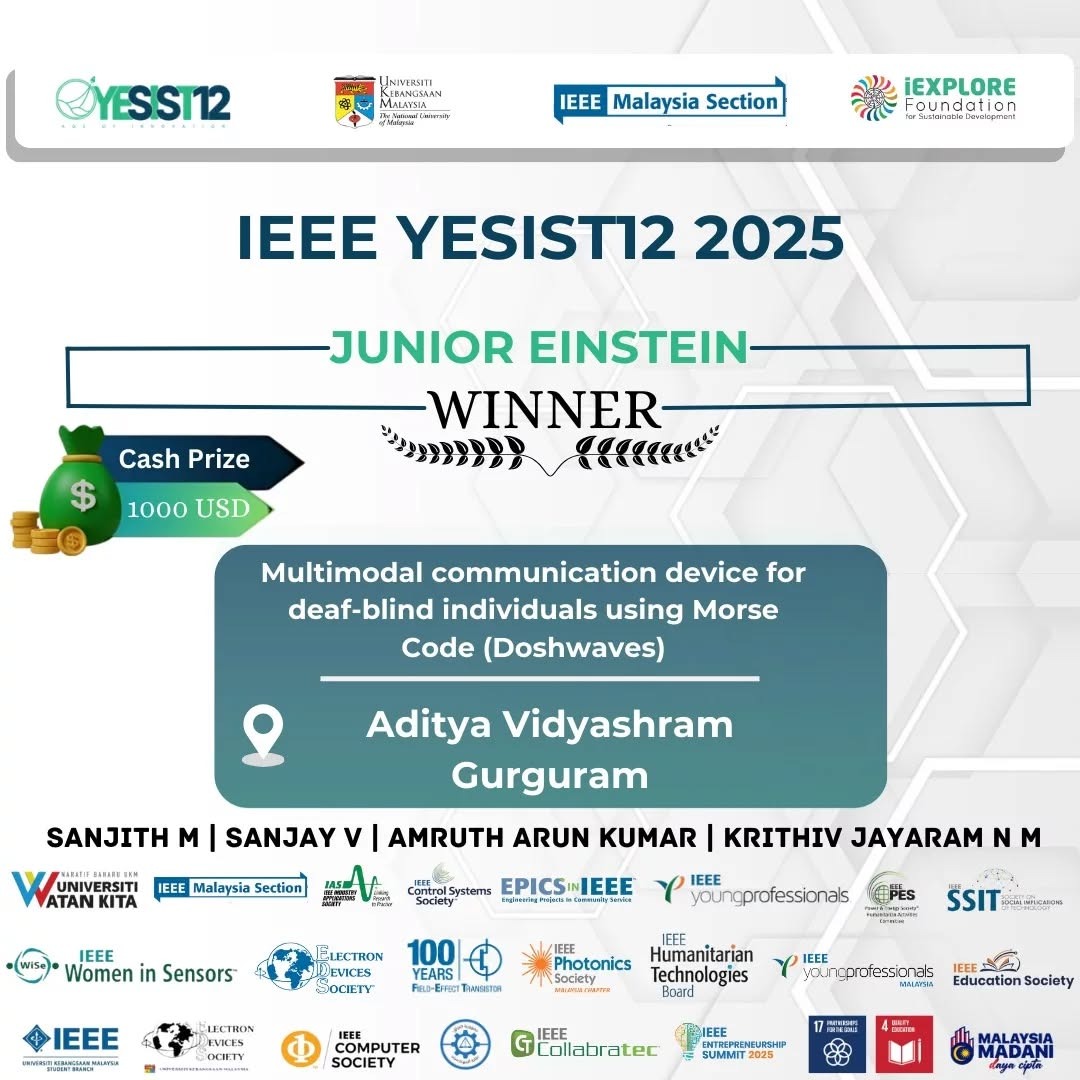
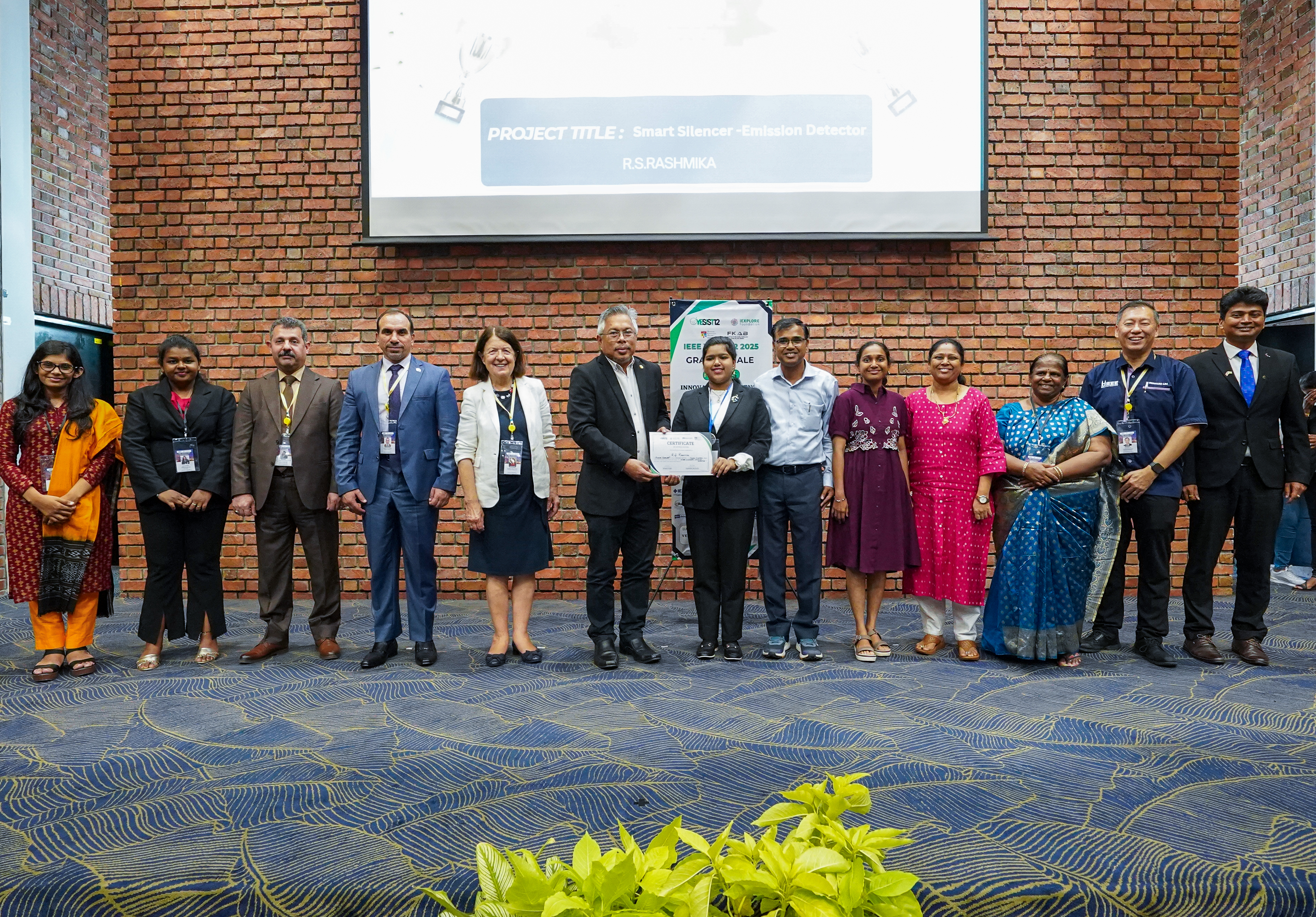
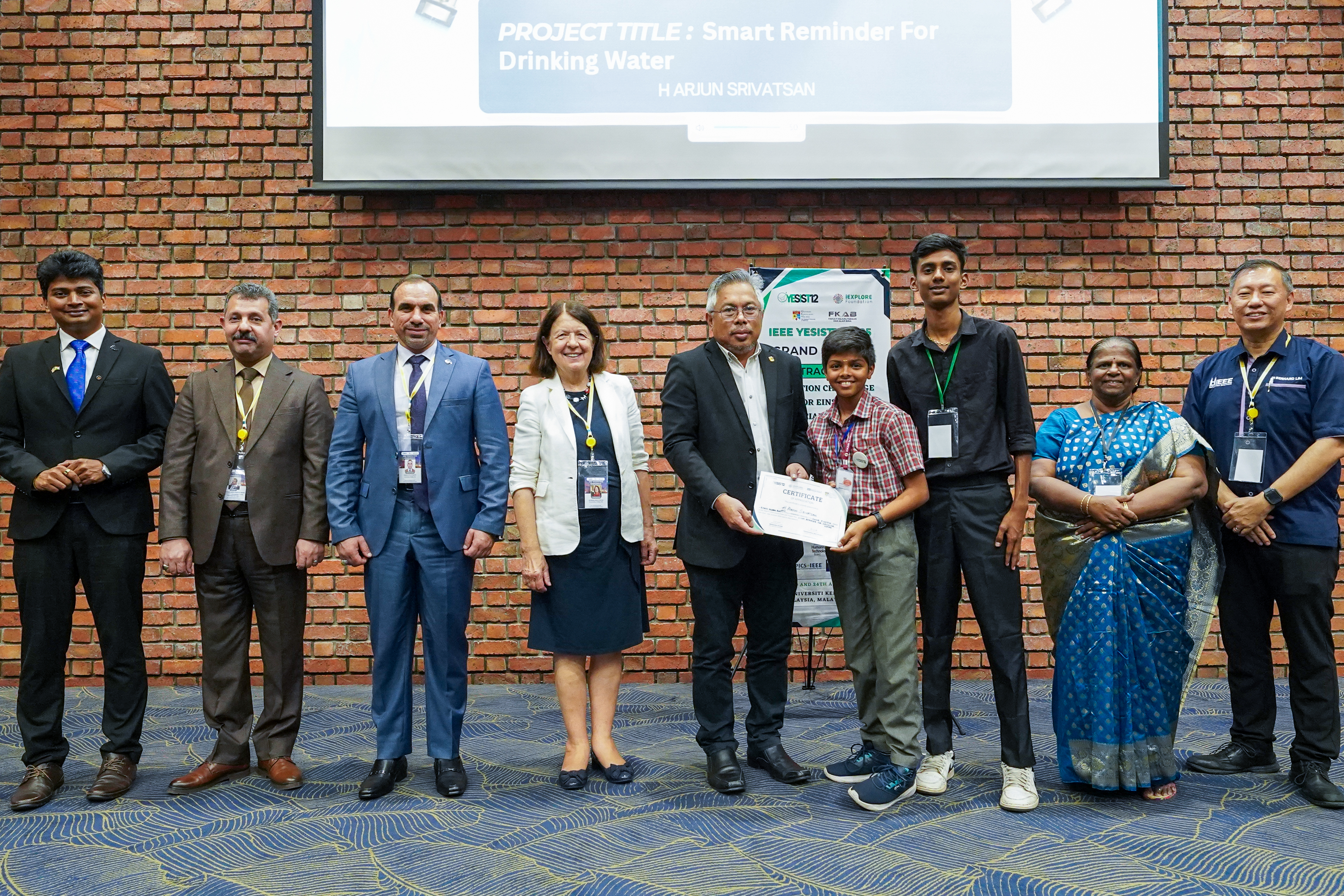
Previous Year Achivers(2025)

For any Queries, please contact

Frequently Asked Questions

1. Who can participate?
School students aged 12–17 worldwide.
2. Can I participate individually?
Yes, though teams of up to four are encouraged.
3. Are hardware projects allowed?
Yes, both software solutions and hardware-integrated projects are accepted.
4. What is the selection process?
Through preliminary evaluation (pilot or direct) followed by the grand finale.
5. Can I reuse ideas from previous competitions?
Projects should be original and specifically tailored for the current theme.