Maker Fair

Maker Fair

About Maker Fair

MakerFair Track is a unique platform for innovators, makers, and creators to showcase their hands-on, technology-driven prototypes and innovative products to a global audience. This track encourages students and young creators to transform their ideas into tangible, demonstrable solutions that can have a meaningful social or environmental impact. MakerFair Track is designed to inspire pre-final, final-year, and graduate students to develop functional prototypes that could evolve into full-scale products. It is an opportunity for passionate innovators to demonstrate creativity, technical skill, and practical problem-solving while addressing real-world challenges.

Maker Fair Track Image

Theme

Maker Fair Track 2025: Sustainable Agriculture, Unsustainable Actions, Miscellaneous

“Innovating Sustainable Solutions for Inclusive Communities, Resilient Climates, and Thriving Ecosystems. ”

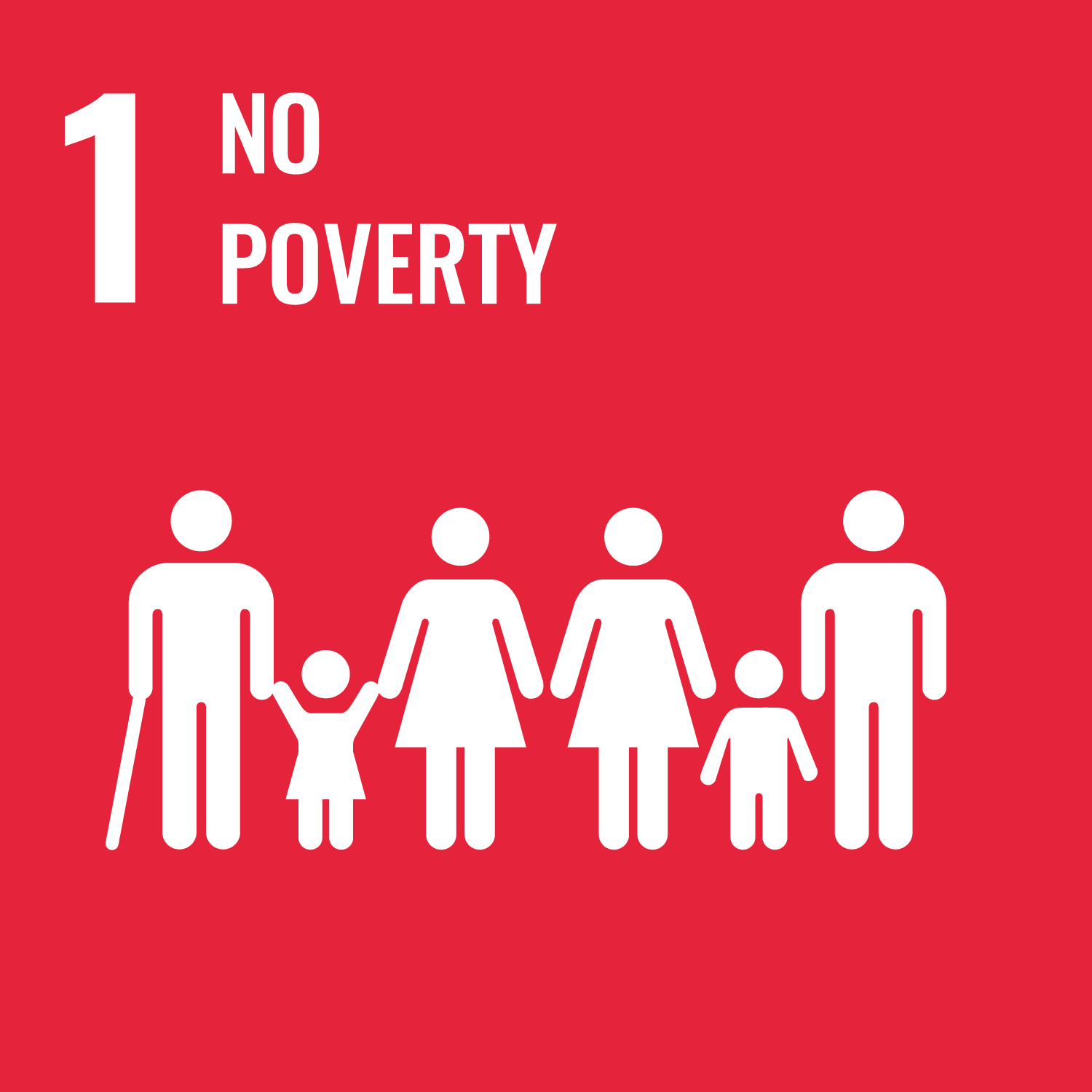
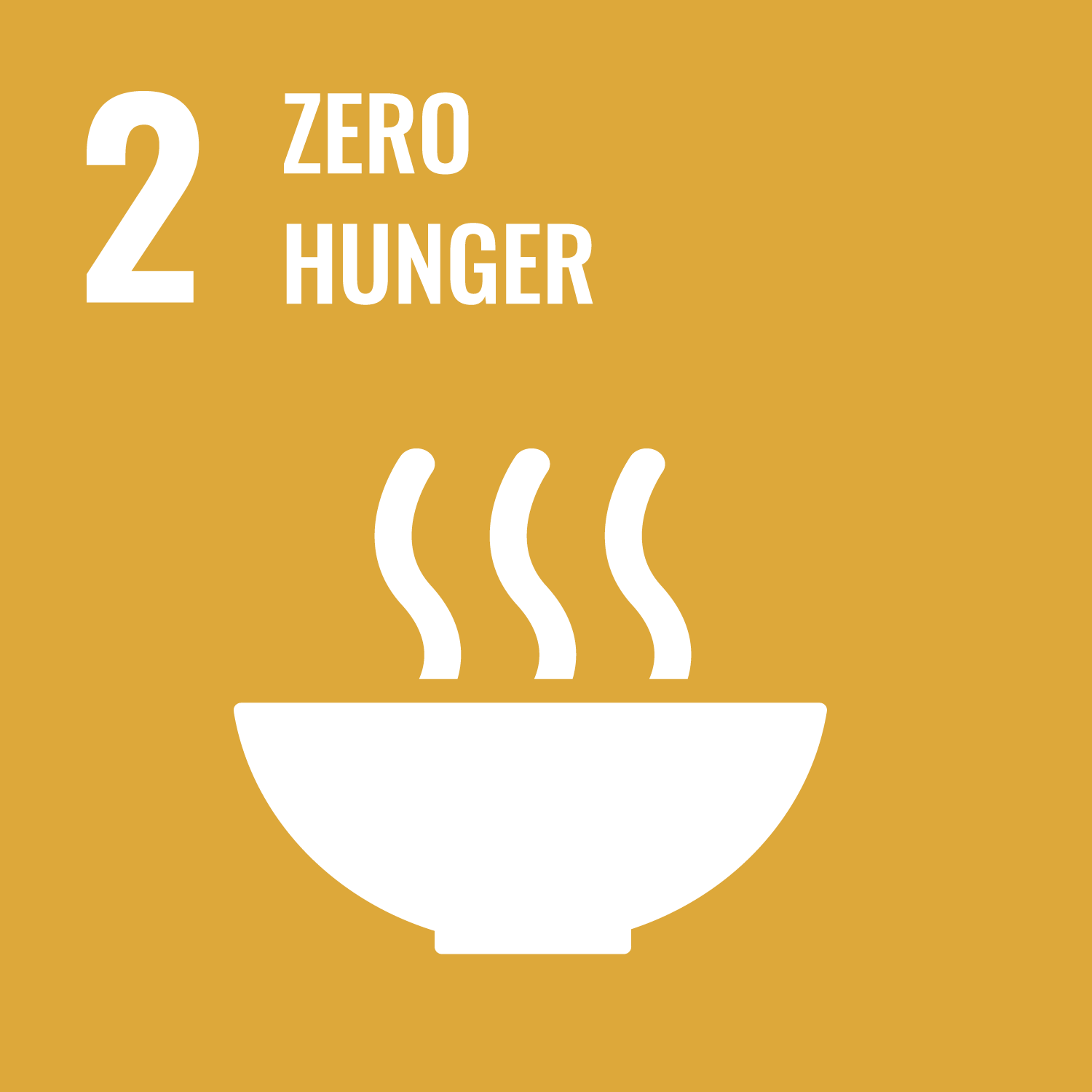
This year, MakerFair Track focuses on solutions that align with United Nations Sustainable Development Goals (SDGs) 1, 2, 10, 12, 13, 15. Participants are encouraged to tackle urgent global issues spanning sustainable agriculture, pollution mitigation, social inclusion, climate resilience, biodiversity conservation and beyond.

SDGs Aligned

This track encourages projects addressing one or more of the following UN Sustainable Development Goals:

Timeline

Call for Abstracts-1 17th Jan 2026
Deadline for Abstract-1 31st Jan 2026
Time for reviewer to review the abstracts 1st Feb - 7th Feb 2026
Announcement of qualified abstracts 8th Feb 2026
Call for Abstracts-2 8th Feb 2026
Deadline for Abstract-2 31st March 2026
Time for reviewer to review the abstracts 01st April to 07th April 2026
Announcement of qualified abstract 08th April 2026

Submit your Abstract now

Open

Call for Abstract-1 Ends: 20th Feb, 2026

00
Days
00
Hours
00
Minutes
00
Seconds

The Objectives of the Maker Fair Track

Who is eligible?

Benefits of participating

Rules for participation

Track Structure

The MakerFair Track follows a structured process to identify and showcase innovative projects, consisting of the following phases:

Phase 1: Call for Abstracts-1

Abstract submission is open to anybody who is interested in taking part in MakerFair Track. The call for abstracts will go globally, and participants can submit their abstracts through the abstract submission form (available on the website).

Phase 2: Call for Abstracts-2

The second call for abstract submission is open globally for those interested in taking part in MakerFair Track, and participants can submit their abstracts through the abstract submission form (available on the website).

Phase 3: Selection & Registration

Potential and innovative projects are selected for finals, and the teams are intimated via mail.

Phase 4: Finals

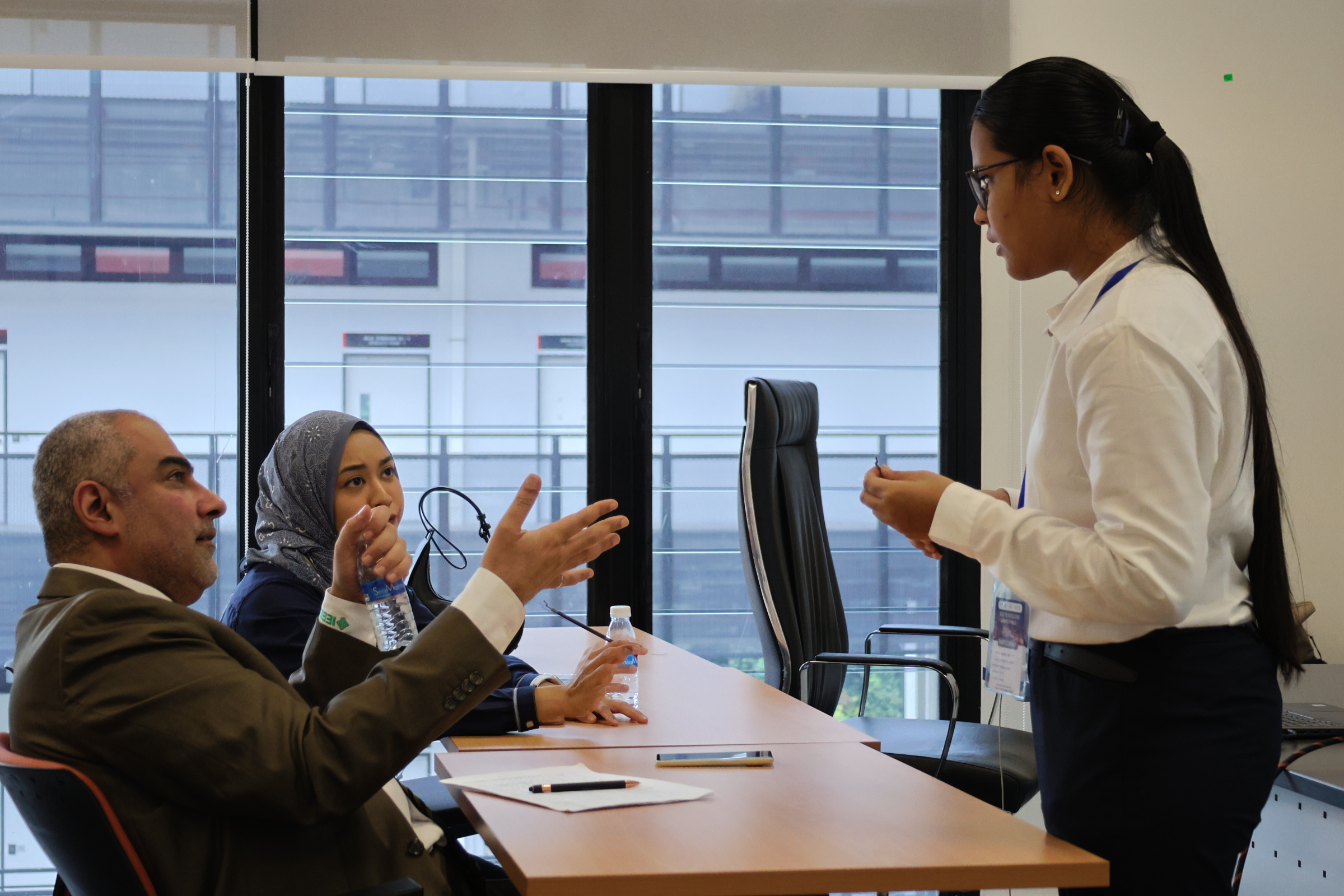
Selected teams will present their project works before the jury during the finals, and evaluation will be carried out based on the criteria.

Submission Mode

Pilot Entry
  • Participants from regions with an active YESIST12 Pilot event.
  • Projects are first presented and evaluated at a preliminary competition.
  • Winners from the Pilot event get a direct entry into the Grand Finale.
Direct Entry
  • For participants from countries or regions without a YESIST12 Pilot event.
  • Submissions (Abstract, PPT, Video) are evaluated directly by the jury.
  • Selected projects are notified via email and advance to the Grand Finale.

The submission could be related to the following topics

Sustainable Agriculture & Food Systems

Innovative solutions that improve agricultural productivity, ensure food security, and promote eco-friendly farming practices. Examples include:

  • Smart irrigation and soil monitoring systems
  • Low-cost precision farming tools
  • Vertical farming or urban agriculture prototypes
  • Waste-to-resource solutions for agriculture

Circular Economy & Responsible Production

Projects that minimize resource consumption, reduce waste, and promote sustainable manufacturing or product life cycles. Examples include:

  • Eco-friendly product design and packaging
  • Recycling or upcycling technologies
  • Energy-efficient production systems
  • Solutions for reducing single-use plastics or toxic materials

Climate Action & Environmental Resilience

Solutions that address climate-related challenges and enhance community or ecosystem resilience. Examples include:

  • Tools for carbon footprint monitoring
  • Early-warning systems for natural disasters
  • Climate-smart urban or rural solutions
  • Renewable energy or low-carbon technology prototypes

Biodiversity & Ecosystem Conservation

Projects that protect natural habitats, preserve species, and promote sustainable land or water use. Examples include:

  • Forest or marine ecosystem monitoring devices
  • Smart wildlife conservation solutions
  • Community-driven habitat restoration tools
  • Pollution mitigation for sensitive ecosystems

Health, Safety & Community Wellbeing

Innovations that improve quality of life, promote public safety, or enhance social inclusion. Examples include:

  • Low-cost assistive devices or healthcare tools
  • Community engagement platforms for social good
  • Disaster preparedness or emergency response devices
  • Accessible solutions for differently-abled or vulnerable populations

Open Category / Miscellaneous

Other creative, tech-driven projects addressing global challenges aligned with SDGs (other than SDG 7, 9, 11). Examples include:

  • Educational tools for underserved communities
  • Innovative maker solutions for energy access, mobility, or urban services
  • Any prototype with societal or environmental impact

Selection Method

The selection process will be conducted in two main stages:

Stage 1 - Abstracts & Prelims

Abstract submission is open to all students via Pilot entry or Direct Entry.

A) Direct entry participants will be evaluated based on abstract submission. Selected innovative projects will be informed via email.

B) Pilot entry participants present projects in a preliminary round conducted by pilots. Winners move to finals.

Stage 2 - Grand Finale

Selected teams will present their projects before the jury during the finals.

Evaluation will be carried out based on criteria such as novelty, technical implementation, clarity of pitch, and expandability of the idea.

Methodology

Sample Project Topics

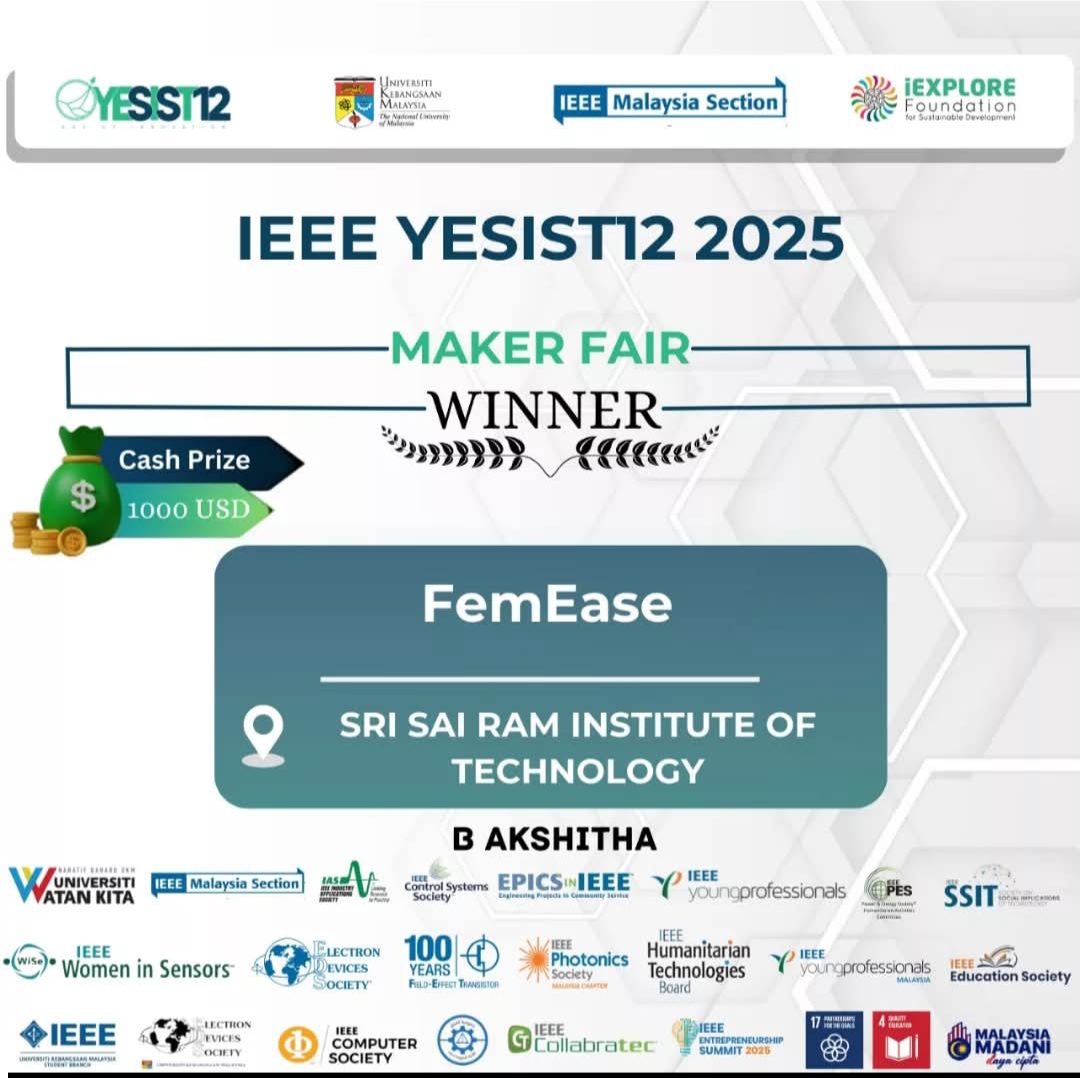
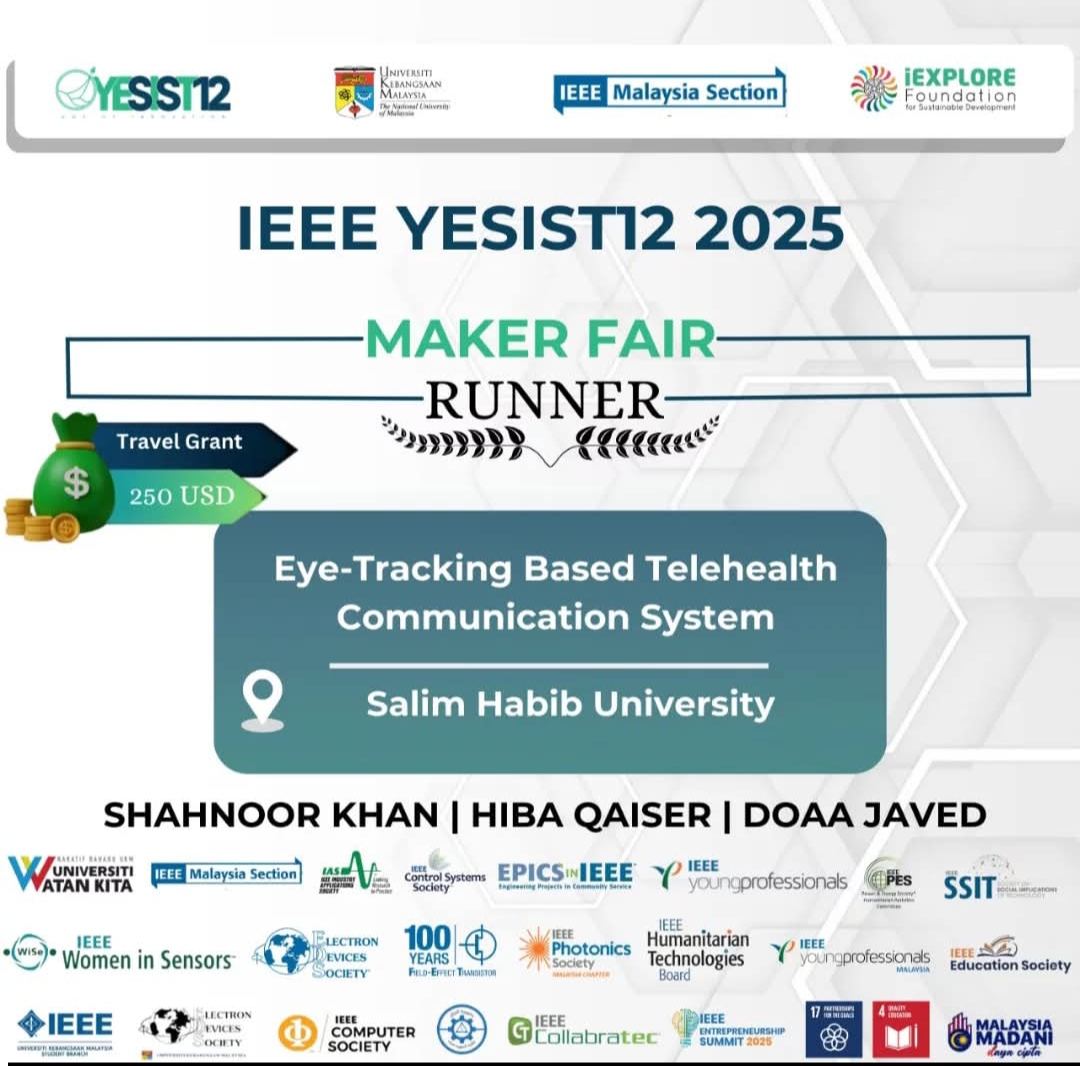
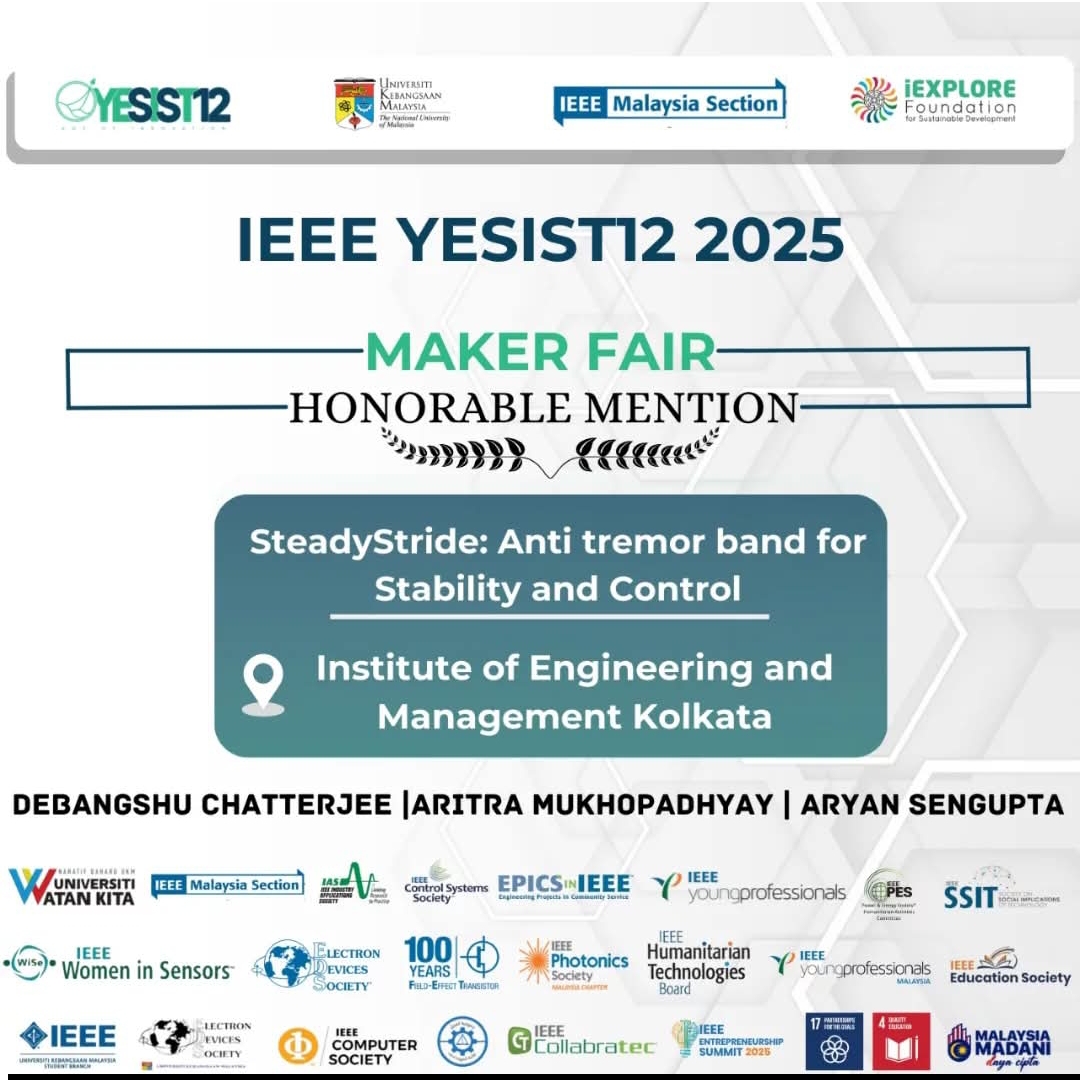
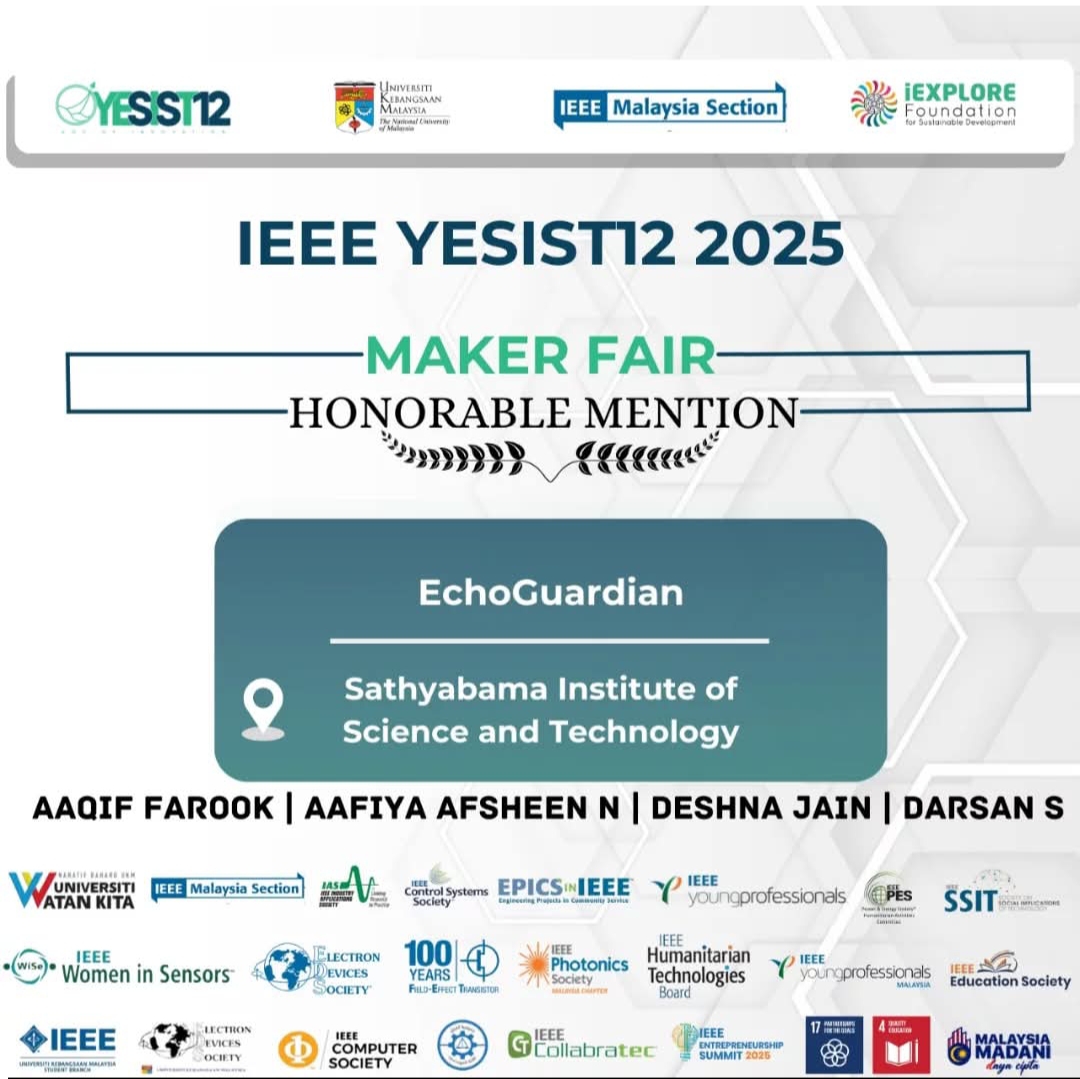
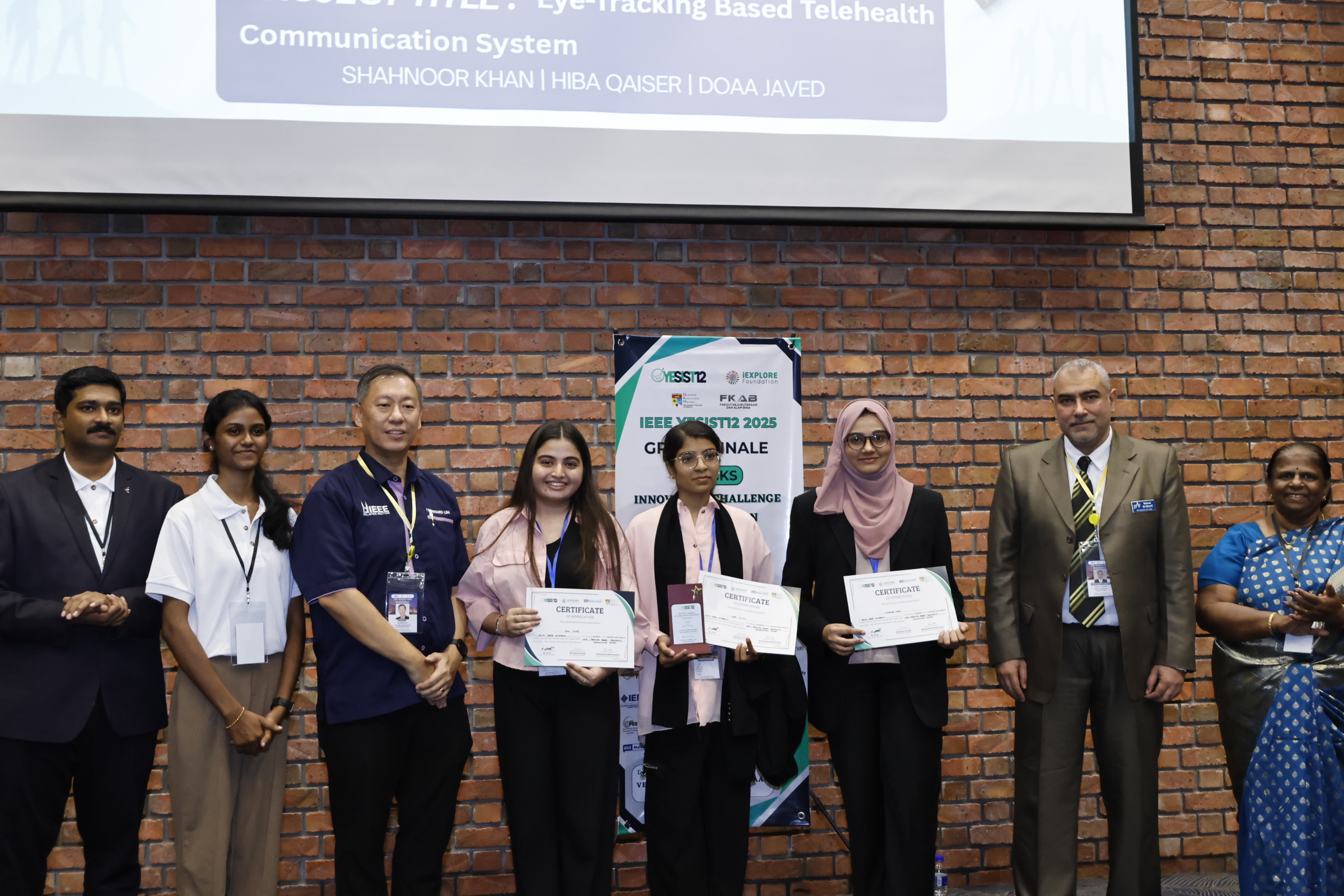
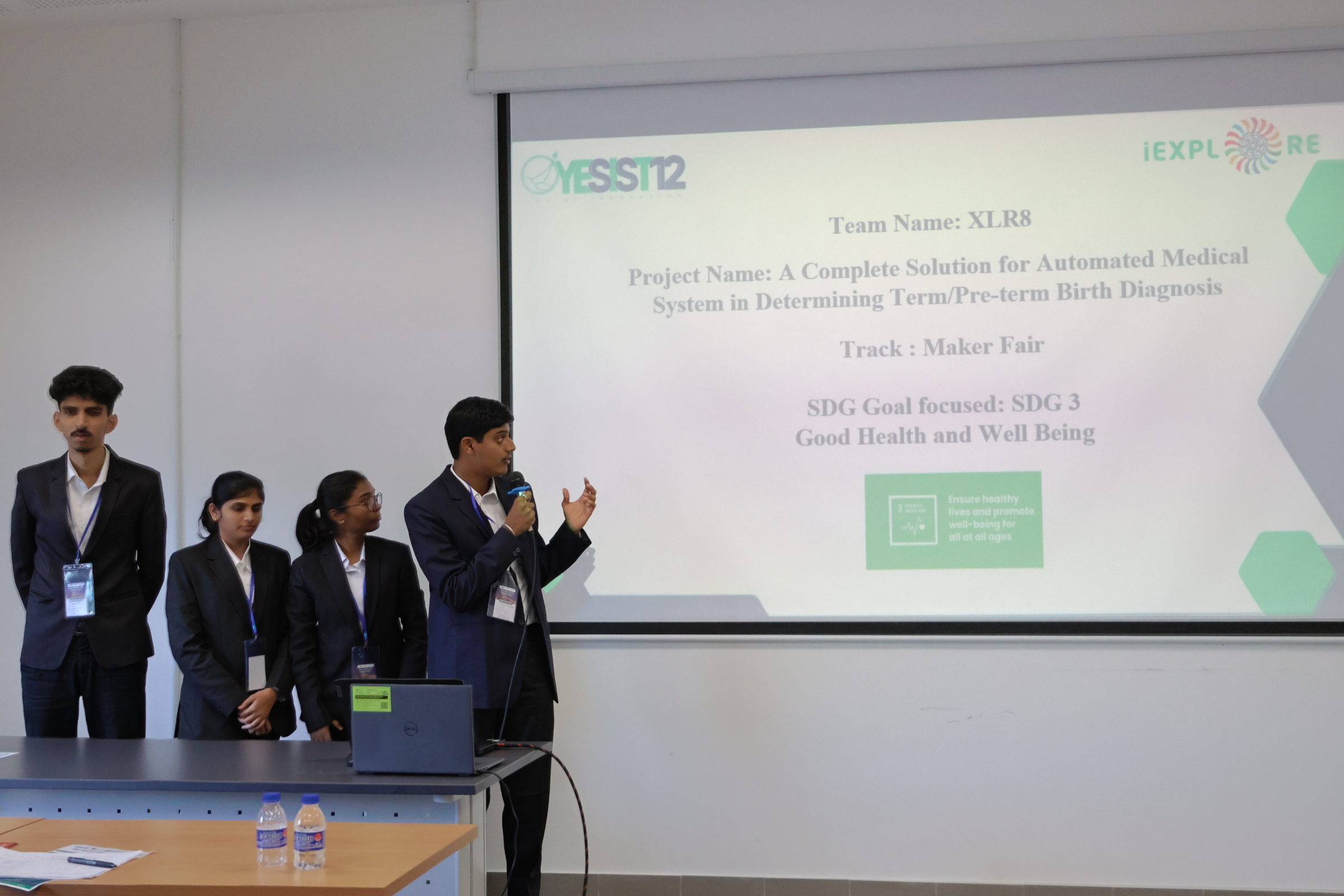
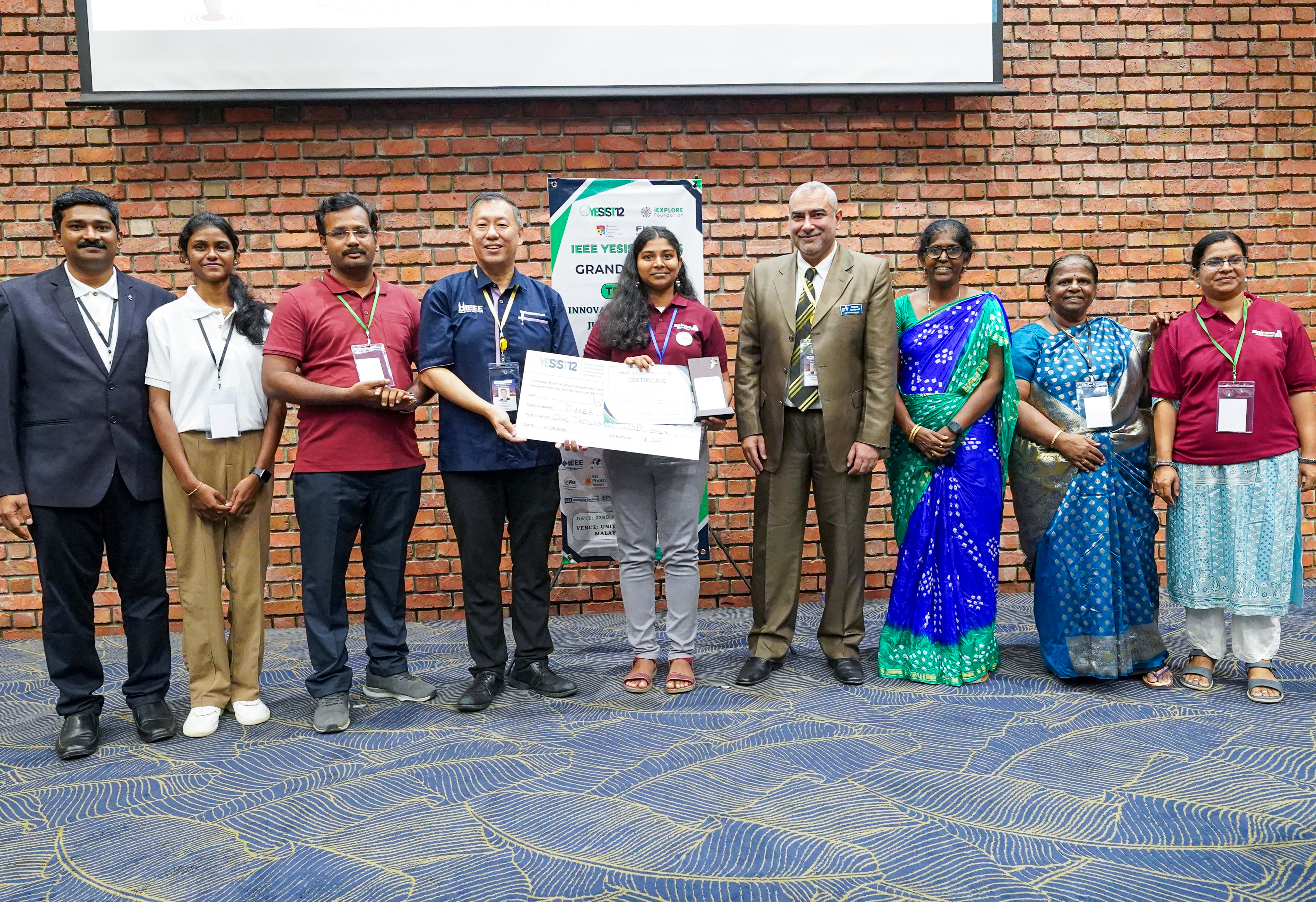
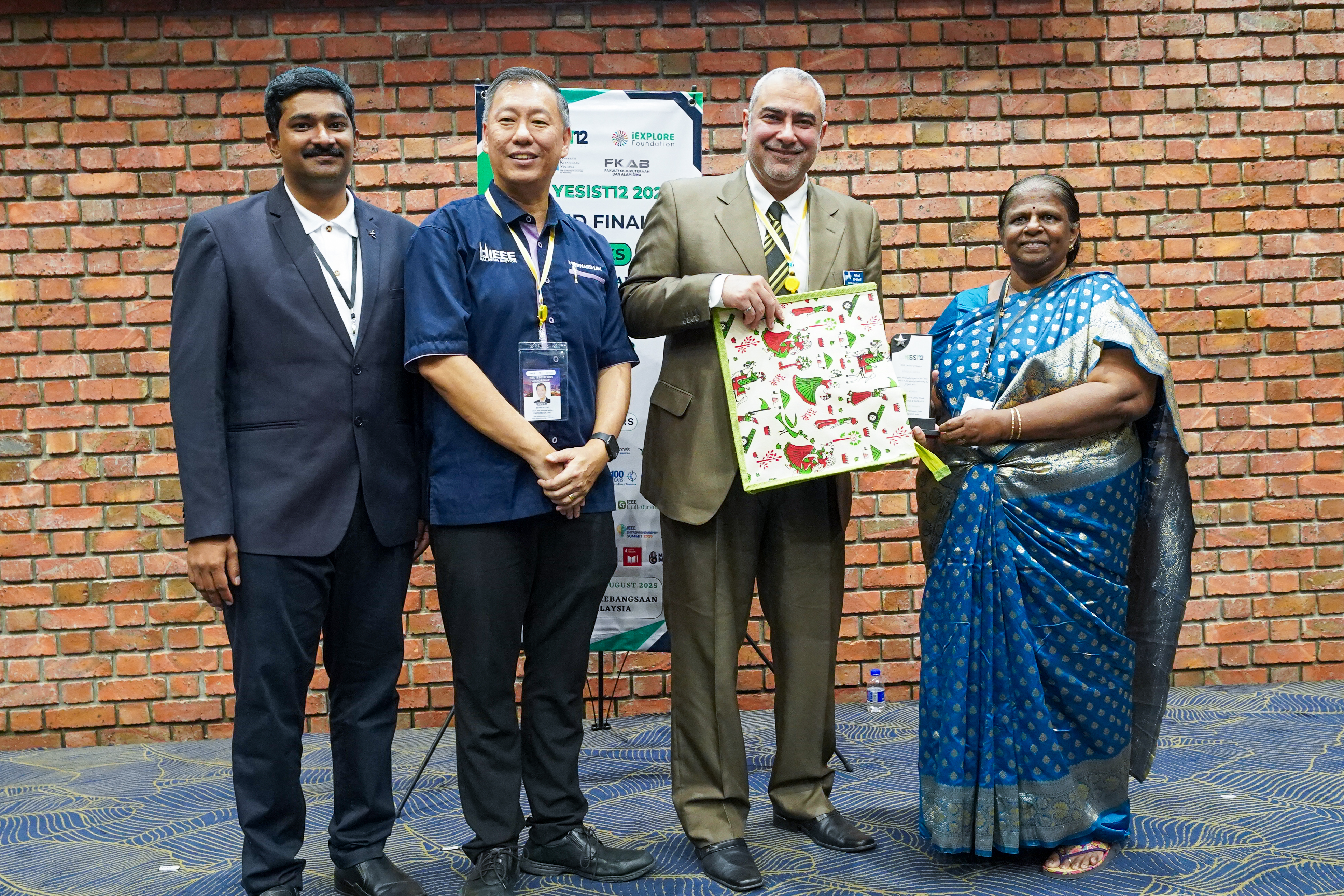
Previous Year Achivers(2025)

For any Queries, please contact

FAQs:

1. What is the Maker Fair Track about?
Maker Fair Track is a distinctive platform that offers innovators, makers, and creators the opportunity to showcase their groundbreaking products to a global audience. The Maker Fair Track is designed to tackle some of the world’s most pressing challenges, as outlined by the United Nations Sustainable Development Goals (SDGs). By promoting innovation and creativity, Maker Fair encourages solutions that address the difficulties faced by society in recent years, fostering a community of change-makers dedicated to a sustainable and better future.
2. Who can participate in the Maker Fair Track?
The Maker Fair Track is open to anyone passionate about innovation, including students, young professionals, start-ups, and hobbyists. Participants can register individually or in teams of up to four members.
3. Do I need a fully working prototype to participate?
A fully working prototype is necessary for participation. While a complete prototype is not required during the initial phase (abstract selection rounds), it is mandatory for teams selected to present their projects in the finale.
4. What are the key deliverables for participating in the Maker Fair Track?
Participants are required to present:
  • A working prototype or a detailed concept demonstration.
  • A technical presentation or poster explaining the project.
  • A document detailing the problem addressed, the innovation, and its potential impact.
5. What are the evaluation criteria for the Maker Fair Track?
Projects will be evaluated based on the following parameters:
  • Innovation and originality of the idea.
  • Practicality and feasibility of implementation.
  • Alignment with Sustainable Development Goals (SDGs).
  • Technical presentation and demonstration quality.
  • IEEE Standards Used.
  • Quality and functionality of the prototype (marks will be awarded based on the completeness, technical complexity, and working model of the prototype).
6. Are there any registration fees or deadlines for the Maker Fair Track?
Yes, there is a registration fee, which varies based on category (IEEE students, IEEE Members or non-members). Deadlines for registration and project submission will be announced on the official IEEE YESIST12 website. Participants are advised to check regularly for updates.
7. What are the benefits of participating in the Maker Fair Track?
Participants gain:
  • A platform to present innovative ideas to a global audience.
  • Opportunities to network with industry experts, researchers, and peers.
  • Feedback from judges to refine and enhance their projects.
  • Recognition and potential awards for outstanding innovations.
8. Do I need to be an IEEE member to participate in the Maker Fair Track?
No, IEEE membership is not required to participate. However, IEEE members may receive additional benefits, such as a reduced registration fee.
9. Will there be any training or guidance provided before the competition?
Yes, participants may have access to webinars, mentorship sessions, and resources to help refine their projects and presentations. Details will be shared with registered participants closer to the event date.
10. How will the projects be presented during the finale?
In the finale, selected teams will present their projects through a live demonstration and a technical presentation. Each team will have a designated time to showcase their working prototype, explain its functionality, and answer questions from the judges. Participants are encouraged to highlight the impact of their project, the problem it solves, and its potential for real-world application.